
Okay, let’s dive into the world of SWIFT and how it helps banks talk to each other. Imagine you’re trying to send a letter to a friend who lives in another country. You can’t just pop it in your local mailbox and expect it to magically arrive. You need a system, right? You need addresses, maybe some customs forms, and a reliable postal service that knows how to handle international mail. Well, SWIFT is kind of like the international postal service for banks.
What in the World is SWIFT?
So, what exactly is this SWIFT thing everyone keeps talking about, especially when money is moving across borders? SWIFT stands for the Society for Worldwide Interbank Financial Telecommunication. Yeah, that’s a mouthful, which is probably why everyone just calls it SWIFT. Think of it as a giant, super-secure messaging network that banks all over the globe use to communicate with each other.
It’s not actually a bank itself, and it doesn’t hold any money. Instead, it’s like a sophisticated email system specifically designed for financial institutions. When one bank needs to send money to another bank in a different country, or even just needs to send some important financial information, they often use the SWIFT network to do it.

Why Do Banks Need to Chat?
You might be thinking, “Why can’t banks just call each other up or send a regular email?” Well, imagine the chaos if every international money transfer relied on phone calls and standard emails. There would be language barriers, different security protocols, and a high risk of errors and fraud.
SWIFT provides a standardized and secure way for banks to communicate. It gives them a common language and a set of rules to follow, making international financial transactions much smoother and safer.
The Magic of SWIFT Codes
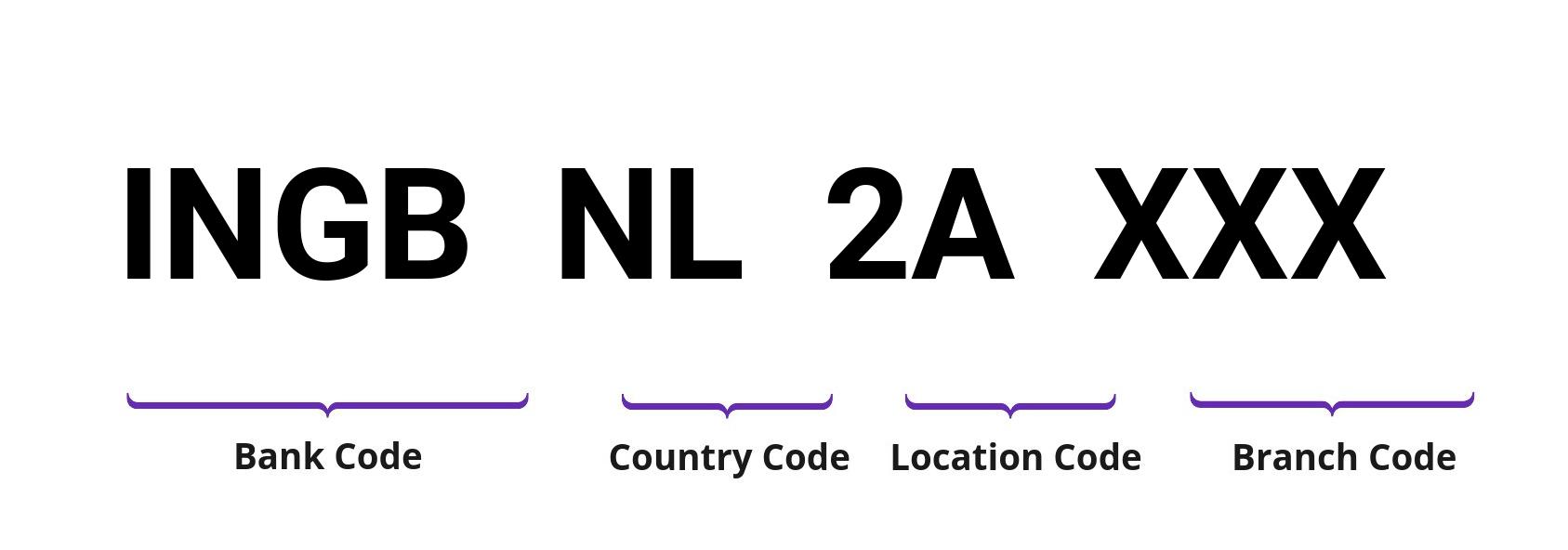
One of the key components of the SWIFT system is the SWIFT code, also sometimes called a BIC (Bank Identifier Code). This is like a unique address for a bank. It tells other banks exactly where a particular financial institution is located and which branch they’re dealing with.
A typical SWIFT code has 8 or 11 characters. Let’s break down what those characters usually mean:
The First Four Letters: The Bank Code
These four letters identify the specific bank. For example, if you see “BARC,” that likely refers to Barclays Bank. It’s like the name of the street your friend lives on.
The Next Two Letters: The Country Code
These two letters tell you which country the bank is located in. For instance, “GB” stands for the United Kingdom, “US” for the United States, and “DE” for Germany. This is like the country your friend lives in.
The Next Two Characters: The Location Code

These two characters specify the city where the bank’s head office or a particular branch is located. Think of this as the city your friend lives in.
The Last Three Characters (Optional): The Branch Code
Sometimes, a SWIFT code will have an extra three characters at the end. These identify a specific branch of the bank. If these characters aren’t there, it usually means the code is for the bank’s main office. This is like the specific apartment number or house number of your friend.
So, when a bank needs to send money to your account at, say, Barclays in London, they’ll need Barclays’ SWIFT code to make sure the money goes to the right place.
How Does a SWIFT Transfer Actually Work?
Okay, so a bank has your SWIFT code. What happens next when they want to send you money? Here’s a simplified rundown:
The Sending Bank Initiates the Payment
The bank that’s sending the money (let’s call it Bank A) gets all the necessary information, including your account details and the receiving bank’s SWIFT code (let’s say it’s Bank B).
Bank A Sends a SWIFT Message
Bank A uses the SWIFT network to send a message to Bank B. This message is like a secure electronic instruction telling Bank B to credit a specific amount of money to your account. This message contains all the important details, like the sender’s account number, the receiver’s account number, the amount of money, and any other relevant information.
SWIFT Routes the Message
The SWIFT network acts like a highly efficient postal service. It doesn’t actually handle the money itself, but it makes sure the message gets securely and reliably from Bank A to Bank B.
Bank B Receives the Message
Bank B receives the SWIFT message from Bank A. Because SWIFT provides a standardized format, Bank B’s systems can easily understand the instructions.
Bank B Credits Your Account
Once Bank B has verified the information in the SWIFT message, they will credit the specified amount of money to your account.
Confirmation (Sometimes)
In some cases, Bank B might send a confirmation message back to Bank A through the SWIFT network to let them know the transaction has been completed.
The Benefits of Using SWIFT
So, why is SWIFT so important and widely used? Here are a few key advantages:
Speed
While international money transfers can still take some time depending on the banks involved and the currencies being exchanged, SWIFT helps to speed up the communication process significantly compared to older methods.
Security
SWIFT has robust security measures in place to protect the messages being sent across its network. This is crucial when dealing with financial transactions.
Standardization
The standardized format of SWIFT messages ensures that banks around the world can understand each other, reducing errors and delays.
Reliability
The SWIFT network is known for its reliability, ensuring that messages are delivered accurately and efficiently.
Global Reach
SWIFT connects thousands of financial institutions across the globe, making international transactions possible on a massive scale.
Are There Any Drawbacks?
While SWIFT is incredibly important, it’s not without its limitations:
Cost
International SWIFT transfers can sometimes involve fees charged by both the sending and receiving banks, as well as intermediary banks involved in the process.
Speed (Relatively Speaking)
While faster than older methods, SWIFT transfers can still take a day or two, or even longer in some cases, to be fully completed. Newer technologies are aiming to speed this up.
Not Real-Time
SWIFT is primarily a messaging system, not a real-time payment system. The actual movement of funds happens through separate clearing and settlement processes.
The Future of SWIFT
SWIFT is constantly evolving to meet the changing needs of the financial world. It’s exploring new technologies and ways to improve speed, efficiency, and security. There’s also a growing interest in alternative payment systems and technologies like blockchain, which could potentially impact the future of cross-border payments. However, for now, SWIFT remains the dominant force in international interbank communication.
Conclusion
So, there you have it – a casual look at the SWIFT network. It’s the unsung hero of international finance, the secure and standardized way that banks around the world talk to each other and move money across borders. While it might seem a bit technical, it’s a system that underpins a huge amount of global commerce and makes it possible for businesses and individuals to send and receive money internationally with a degree of reliability and security.
FAQs After The Conclusion
What if I don’t have a SWIFT code for my bank?
If you’re receiving money from overseas, you’ll almost certainly need to provide the sender with your bank’s SWIFT code (or BIC). You can usually find this on your bank’s website, on your bank statements, or by contacting your bank directly.
Is a SWIFT code the same as an IBAN?
No, a SWIFT code (or BIC) identifies a specific bank, while an IBAN (International Bank Account Number) identifies a specific account at a bank. You’ll often need to provide both when making or receiving international payments, especially in Europe.
Can individuals use the SWIFT network directly?
No, the SWIFT network is primarily for communication between financial institutions. Individuals and businesses access the SWIFT network indirectly through their banks.
Are SWIFT transfers always in the same currency?
No, SWIFT messages can involve transfers in various currencies. However, the actual currency conversion usually happens separately, either by the sending bank, an intermediary bank, or the receiving bank.
What happens if the SWIFT code is wrong?
Providing an incorrect SWIFT code can lead to delays, additional fees, or even the money being sent to the wrong bank. It’s crucial to double-check the SWIFT code with your bank before providing it to someone sending you money.

![Minesidra Com: Your Gateway To [Potential Focus Of The Website]](https://i1.wp.com/www.sidrachain-airdrop.com/images/06-5-Sidra-coin.png?resize=200,135&ssl=1 "Minesidra Com: Your Gateway To [Potential Focus Of The Website]")
![Myhana: A Journey Of [Insert A Key Aspect Or Feeling Related To Myhana, E.g., Growth, Discovery, Connection, Strength]](https://i3.wp.com/myhana.io/wp-content/uploads/2023/10/Simple-Posts-5.png?resize=200,135&ssl=1 "Myhana: A Journey Of [Insert A Key Aspect Or Feeling Related To Myhana, E.g., Growth, Discovery, Connection, Strength]")
