
Zero-Waste Business Strategies: A Guide to Sustainable Operations
The shift to a zero-waste business strategy isn’t just an environmental trend; it’s a savvy business move. Companies that embrace a circular economy model—where waste is eliminated and resources are reused—benefit from reduced costs, enhanced brand reputation, and increased customer loyalty. This article explores how any business, regardless of size, can implement a comprehensive zero-waste plan.
Understanding the Zero-Waste Philosophy
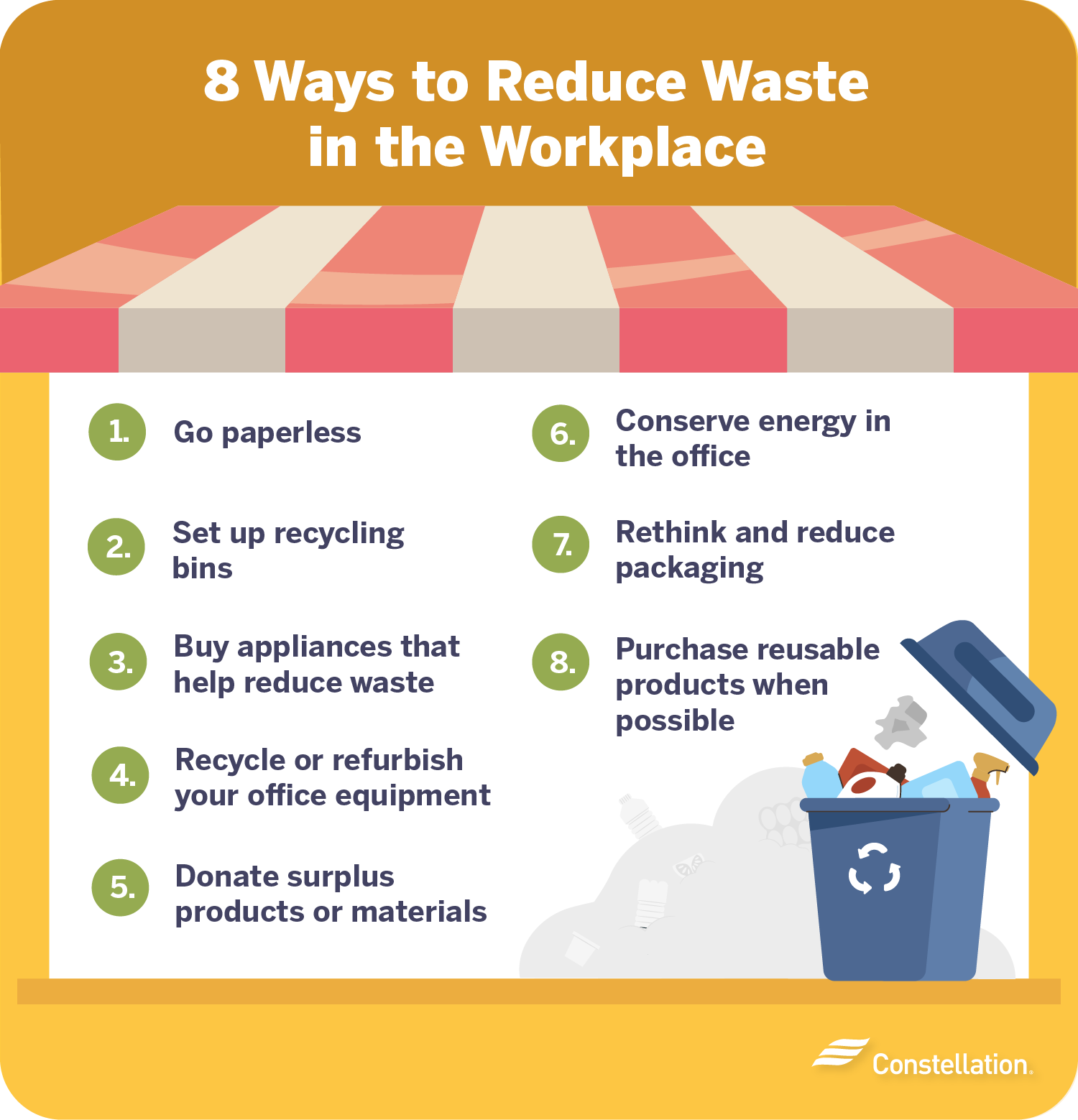
A zero-waste approach goes beyond traditional recycling. It’s a holistic mindset focused on redesigning a company’s entire operational flow to prevent waste from being created in the first place. The core principle is to mimic natural ecosystems where there is no such thing as “waste.” Every output from one process becomes a valuable input for another. This is often summarized by the “5 Rs”:
Refuse: Say no to items that are not needed and create waste.
By prioritizing these steps, businesses can drastically cut down on landfill contributions and build a more resilient, efficient, and sustainable operation.
Step 1: Conducting a Waste Audit
Before you can tackle waste, you have to know what you’re dealing with. A waste audit is the foundational step. This involves a systematic examination of all waste streams your business generates.
How to Perform a Waste Audit:
1. Form a Green Team: Designate a cross-functional team responsible for the audit. Include employees from various departments—production, administration, and shipping—to get a complete picture.
2. Define a Timeframe: Choose a typical period (e.g., one week) to collect and sort all discarded materials.
3. Categorize Waste: Separate waste into distinct categories: paper, cardboard, plastics (further divided by type, like PETE or HDPE), glass, food scraps, e-waste, and hazardous materials.
4. Weigh and Record: Use a scale to weigh each category of waste. Keep a detailed log. Note what materials are being discarded and where they’re coming from. For example, is there a lot of plastic packaging from the supply chain? Is most of the food waste from the employee breakroom?
This data will provide a baseline and highlight the most significant areas for improvement. You’ll gain a clear understanding of your biggest waste offenders and can prioritize your efforts accordingly.
Step 2: Optimizing the Supply Chain for Zero-Waste
Your zero-waste journey doesn’t just involve what happens inside your business; it extends to your suppliers. Partnering with suppliers who share your values is crucial.
Strategies for a Sustainable Supply Chain:
Source Reusable or Recyclable Materials: Work with vendors who use minimal, eco-friendly packaging. Ask for products to be shipped in durable, returnable crates or totes instead of single-use cardboard boxes and plastic wrap.
By shifting your procurement process, you can stop waste before it ever enters your facility. This upstream focus is one of the most effective strategies for reducing your waste footprint.
Step 3: Redesigning Internal Operations
Once you’ve tackled the incoming waste, the next step is to optimize what happens inside your business. This involves reviewing every process, from the breakroom to the production floor.
Internal Operational Changes:
Paperless Initiatives: Transition to digital invoicing, contracts, and internal communication. Use cloud-based document management systems.
The goal is to move from a linear “take-make-dispose” model to a circular one where resources are constantly in use.
Step 4: Innovating Product and Service Design
A truly zero-waste business designs products and services with their entire lifecycle in mind. This is often referred to as “cradle-to-cradle” design.
Designing for Sustainability:
Durable and Repairable Products: Create items that last a long time and can be easily fixed. This reduces the need for frequent replacements. Offer repair services or provide parts for customers to do it themselves.
This approach not only reduces waste but can also open up new revenue streams and strengthen customer relationships.
Step 5: Measuring, Reporting, and Continuous Improvement
Zero-waste isn’t a one-time project; it’s a journey of continuous improvement. To stay on track, you must measure your progress and be transparent about your results.
Key Performance Indicators (KPIs) to Track:
Waste Diversion Rate: The percentage of waste diverted from landfills through recycling, composting, and reuse.
Publish an annual sustainability report outlining your goals, progress, and future plans. This transparency builds trust with customers and stakeholders and holds your business accountable. Use the data you’ve collected to identify new areas for improvement. Maybe your initial waste audit missed a significant stream, or a new technology has emerged that makes a process more efficient.
Conclusion: The Business Case for Zero-Waste
Adopting a zero-waste strategy is a long-term investment in your business’s future. It’s about building a more resilient, efficient, and ethical operation. By focusing on waste prevention, optimizing your supply chain, redesigning your processes, and being transparent about your journey, you can create a business that is not only profitable but also a positive force for change. The cost savings from reduced material use and disposal fees, coupled with the brand loyalty you’ll earn from environmentally conscious consumers, make the business case for a zero-waste strategy undeniable. It’s a powerful way to stand out in a competitive market and build a legacy of sustainability.


