
How Businesses and Non-Profits Team Up for a Better World
corporate Social Responsibility (CSR) is no longer just a buzzword; it’s a fundamental part of how successful businesses operate today. While many companies engage in charitable giving or volunteer work, a more impactful and strategic approach is to collaborate with non-profit organizations. This isn’t just about writing a check; it’s about forming a partnership that leverages the strengths of both sides to create meaningful and lasting change. These collaborations are not only good for society but also for the businesses themselves, boosting their brand reputation, engaging employees, and attracting customers who care about social issues.
—
Why CSR Collaborations are a Smart Move
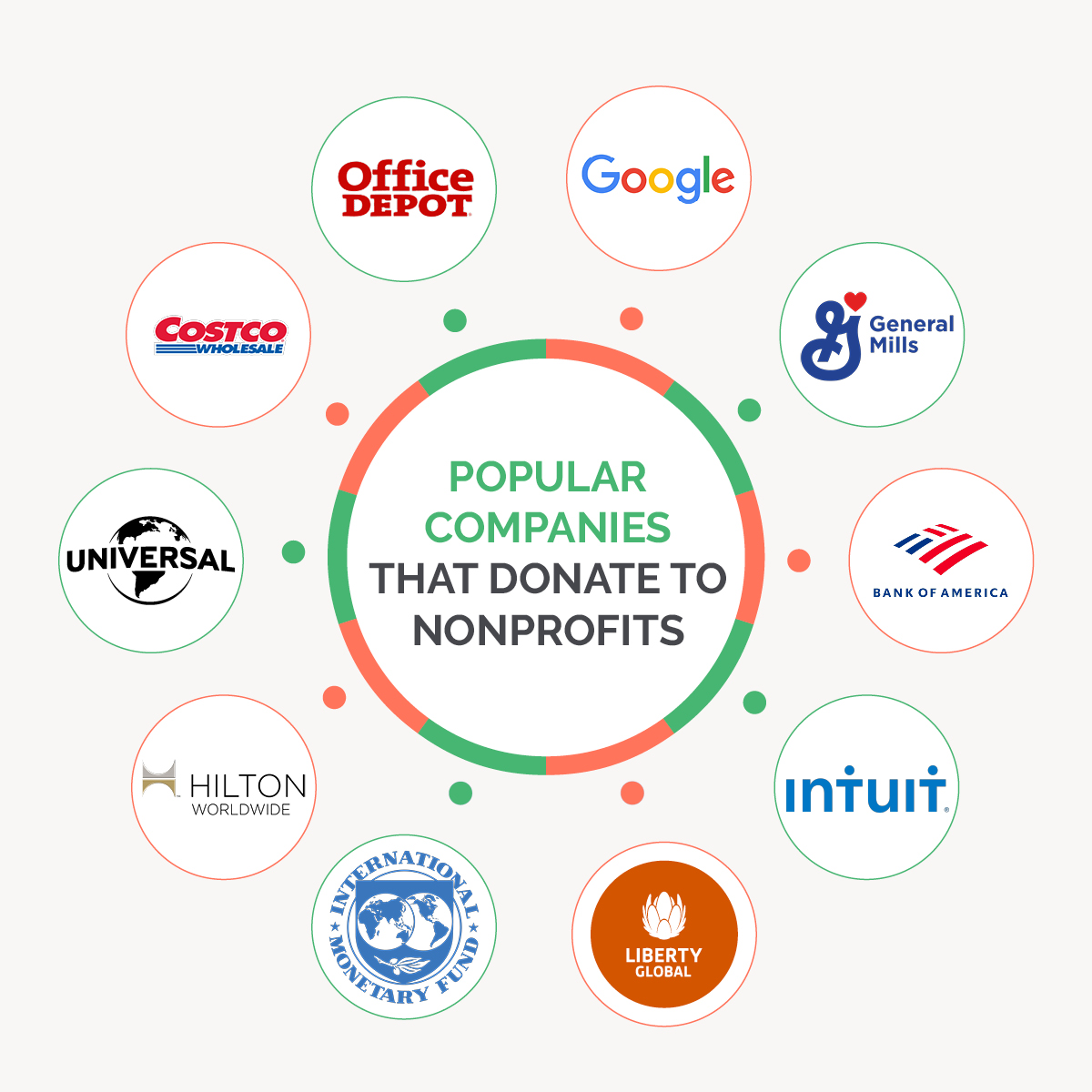
When a for-profit company partners with a non-profit, they’re essentially combining their resources and expertise. The business brings its financial capital, operational efficiency, and a large customer base. The non-profit brings its deep understanding of a specific social or environmental issue, its on-the-ground experience, and a network of dedicated volunteers and beneficiaries. This synergy leads to more effective and sustainable solutions than either party could achieve alone.
Think about a tech company partnering with a non-profit that provides educational resources in underserved communities. The tech company can donate laptops and software, while the non-profit can ensure these resources are used effectively by trained teachers and students. This is a much more powerful approach than the company simply donating money to a generic charity. It’s a targeted effort that makes a real difference.
—
The Different Forms of Collaboration
CSR collaborations with non-profits can take many shapes and sizes. They range from simple, short-term projects to deep, long-term strategic alliances. The most common types include:
Cause-Related Marketing: This is where a company pledges to donate a portion of its sales from a specific product or service to a non-profit. For example, a coffee brand might promise to donate 10% of its profits from a new blend to a clean water non-profit. This not only raises money for a good cause but also encourages customers to purchase the product.
—
The Benefits of a Strong Partnership
A well-executed CSR collaboration is a true partnership, where both parties gain significant benefits. For the non-profit, the advantages are clear: increased funding, access to new resources and expertise, and a broader platform to raise awareness about their cause. A partnership with a respected company can also lend credibility and attract more individual donors.
For the business, the benefits are just as compelling:
Enhanced Brand Reputation: Consumers, especially millennials and Gen Z, are more likely to support brands that demonstrate a commitment to social responsibility. A strong partnership with a non-profit shows that a company is more than just a profit-driven entity.
—
Building a Successful Partnership: A Step-by-Step Guide
Creating a successful CSR collaboration isn’t something that happens overnight. It requires careful planning, open communication, and a shared vision. Here’s a quick guide to getting started:
1. Define Your Goals: Before you even start looking for a partner, figure out what you want to achieve. Are you looking to improve your brand image? Engage your employees? Address a specific social issue that aligns with your business? Having clear goals will help you find the right non-profit partner.
2. Find the Right Partner: Don’t just pick the first non-profit you find. Do your homework. Look for organizations that have a strong track record, transparent financials, and a mission that genuinely resonates with your company’s values. A non-profit that’s an expert in an area related to your business (e.g., a food company partnering with a hunger relief organization) is often the best fit.
3. Create a Clear Agreement: Once you’ve found a potential partner, it’s crucial to have a clear, written agreement that outlines the terms of the collaboration. This should include the goals, responsibilities of each party, how success will be measured, and a plan for communication and reporting. This prevents misunderstandings and ensures both parties are on the same page.
4. Communicate, Communicate, Communicate: Regular communication is key to any successful partnership. Keep the lines of communication open, be transparent about challenges, and celebrate successes together. This builds trust and ensures the collaboration remains productive and fulfilling for both sides.
5. Measure and Report Impact: Don’t just assume the collaboration is working. Set up a system to measure the impact of your efforts. This could include tracking the number of people served, the amount of money raised, or the environmental impact of a project. Publicly sharing these results with your employees, customers, and stakeholders not only demonstrates accountability but also inspires others to get involved.
—
Common Pitfalls to Avoid
While the benefits of CSR collaborations are immense, there are also a few common mistakes that can derail a partnership. Being aware of these pitfalls can help you avoid them.
Greenwashing or Slacktivism: This is a big no-no. Consumers are smart and can spot inauthentic efforts a mile away. Don’t engage in a partnership just for a photo op or a quick PR boost. The collaboration must be genuine and have a real, measurable impact.
—
The Future of CSR and Non-Profit Collaborations
The trend toward deeper, more strategic collaborations between businesses and non-profits is only going to accelerate. As societal challenges like climate change, social inequality, and economic instability become more urgent, consumers, employees, and investors are demanding that companies play a more active role in addressing them.
The future of CSR isn’t just about giving back; it’s about being an integral part of the solution. It’s about companies and non-profits working together not just as donors and recipients, but as equal partners in a shared mission to create a more just, equitable, and sustainable world for everyone. This shift from a transactional to a transformative approach is what will truly define corporate social responsibility in the years to come.


