
CSR in Family-Owned Businesses: A Deep Dive into Doing Good
Family-owned businesses are the backbone of many economies, and their approach to corporate Social Responsibility (CSR) often stands out from their corporate counterparts. It’s a lot more than just a marketing gimmick; it’s deeply personal and woven into the very fabric of the company’s identity. This article will explore what makes CSR in family businesses unique, how they implement it, and why their commitment to doing good often runs deeper than a bottom line.
What Makes Family Business CSR Different?
When you think of a large corporation, you often think of a board of directors, shareholders, and quarterly reports. CSR in this context can sometimes feel like a top-down initiative, designed to boost a brand’s reputation and satisfy stakeholders. For family businesses, the dynamic is completely different. The decision-makers are often the founders or their direct descendants, and their values are the company’s values.
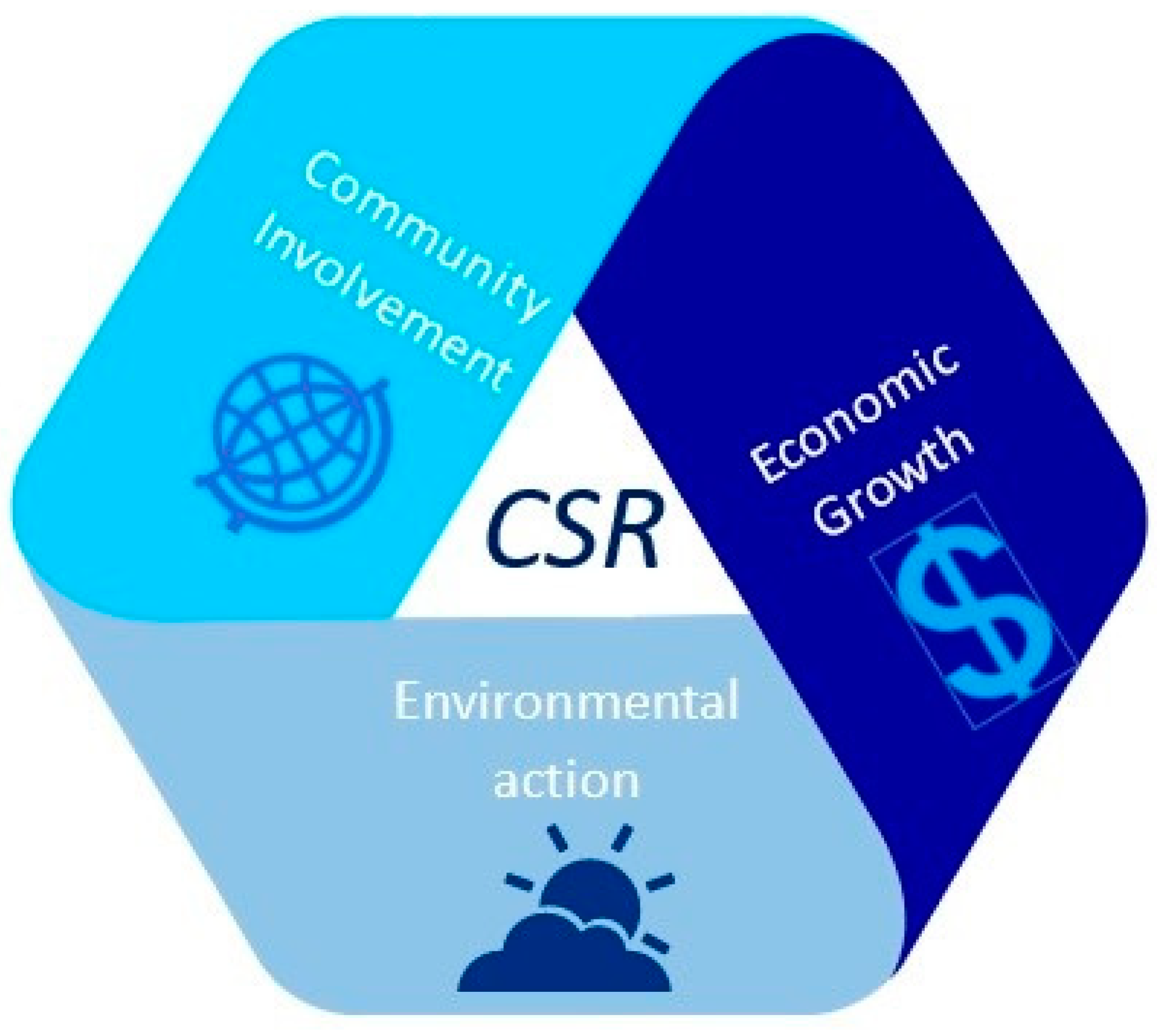
This personal connection means that CSR isn’t just a strategy; it’s a legacy. The owners are often deeply integrated into their local communities, living and working alongside their employees and customers. They see the impact of their business firsthand, and they feel a personal sense of responsibility to give back. This isn’t about ticking boxes; it’s about building a better community for their own family and for everyone else’s.
The Pillars of Family Business CSR
Family businesses often focus their CSR efforts on a few key areas, and these efforts are almost always driven by genuine care and a long-term perspective.
# 1. Community Engagement:
This is the most visible form of CSR for many family businesses. They’re often the first to sponsor a local sports team, donate to a school fundraiser, or support a local charity. This isn’t just about writing a check; it’s about active involvement. The owners and employees might volunteer at community events, serve on local boards, or organize their own fundraising drives. Their commitment is tangible and visible to everyone in the area.
# 2. Employee Welfare:
For family businesses, employees are often treated like extended family. There’s a strong sense of loyalty and mutual respect. CSR in this context means providing fair wages, offering flexible working hours, and creating a supportive and inclusive work environment. It’s about caring for the well-being of the people who help build the business every day. This kind of care often translates into lower employee turnover and a more motivated workforce.
# 3. Environmental Stewardship:
While large corporations might have a dedicated sustainability department, family businesses often approach environmental responsibility with a practical, common-sense mindset. They might invest in energy-efficient equipment, reduce waste by recycling and reusing materials, or source their products locally to minimize their carbon footprint. These efforts are often born out of a desire to protect the environment for future generations, including their own. It’s a natural extension of their long-term perspective.
# 4. Ethical Practices:
Trust is a cornerstone of any family business. Customers often choose them because they trust the owners and believe in their integrity. This trust is built on a foundation of ethical behavior. CSR in this area means being honest and transparent in all dealings, from how they source their materials to how they interact with customers. They prioritize quality over cutting corners and building relationships over making a quick profit.
The Long-Term Advantage of Family Business CSR
In a world where consumers are increasingly conscious of where they spend their money, the authentic CSR efforts of family businesses are a huge advantage. People are drawn to businesses that reflect their own values. When they see a family business actively supporting their community, caring for its employees, and acting with integrity, they feel good about giving them their business.
This isn’t just about making a sale; it’s about building a lasting relationship. The loyalty and trust that a family business earns through its CSR efforts can last for generations. It creates a brand reputation that is resilient and authentic, something that can’t be easily replicated by a slick marketing campaign.
Furthermore, a strong commitment to CSR can help a family business attract and retain top talent. In today’s job market, many people, especially younger generations, want to work for a company that aligns with their values. They want to feel like their work has a purpose beyond just earning a paycheck. A family business that champions social and environmental causes can offer this sense of purpose, making it an attractive place to work.
The Challenges and Nuances
Of course, it’s not all sunshine and rainbows. Family businesses can face unique challenges when it comes to CSR. They often have fewer resources than large corporations, so their efforts might be smaller in scale. They might not have a dedicated CSR team, and the responsibility often falls directly on the owners, who are already juggling a million other things.
Another challenge is the potential for conflicts of interest within the family. What one family member sees as a priority for CSR, another might see as an unnecessary expense. However, the strong familial bond often helps them navigate these disagreements and come to a consensus that serves both the business and the community.
A Legacy of Giving Back
In the end, CSR in family-owned businesses is a powerful and unique force. It’s driven by personal values, a sense of community, and a long-term perspective. It’s not about following a corporate mandate; it’s about creating a legacy. These businesses often see themselves not just as a source of products or services, but as a force for good in their communities. They prove that you can run a successful business while also making a positive impact on the world around you. Their story is a reminder that the best kind of business is one that serves more than just its bottom line; it serves its people and its planet.


