
Leveraging CSR for Strategic Risk Management
In today’s complex business world, companies face a multitude of risks, from financial volatility to reputational damage. While traditional risk management focuses on identifying and mitigating these threats, a more forward-thinking approach is emerging: leveraging corporate Social Responsibility (CSR) as a strategic tool for risk management. Instead of viewing CSR as a separate, feel-good initiative, smart companies are integrating it into their core business strategy to build resilience and long-term value. This article explores how a well-executed CSR program can become a powerful defense against various risks, helping a company not just survive, but thrive.
What is Strategic Risk Management?
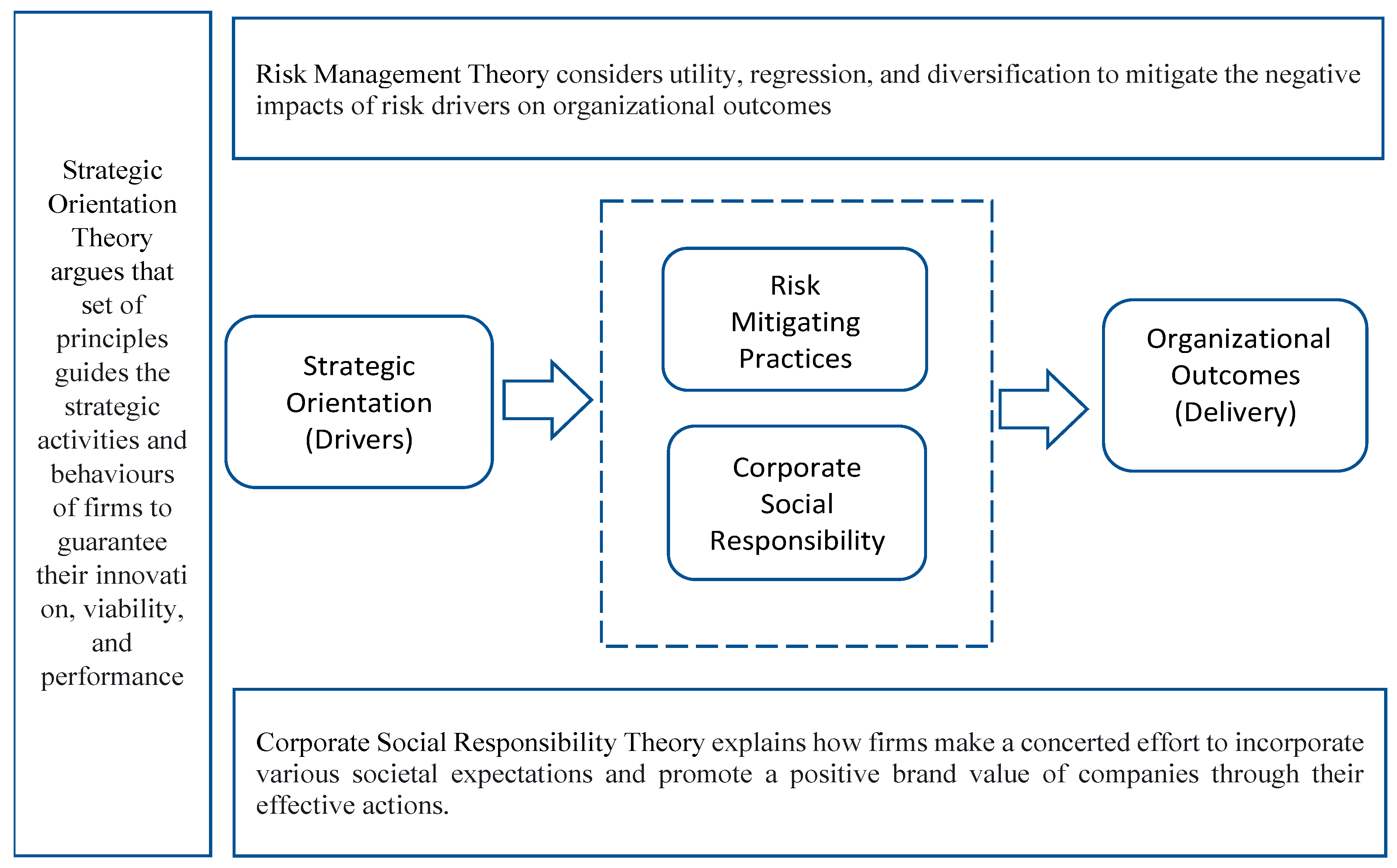
Strategic risk management goes beyond the day-to-day operational risks. It’s about anticipating and addressing threats that could fundamentally change a company’s business model or jeopardize its long-term viability. These risks are often complex and interconnected, including things like shifts in consumer behavior, new government regulations, and changes in the competitive landscape. For a long time, the focus was on financial models and market analysis. However, a new understanding has taken hold: many of the most significant strategic risks are tied to a company’s relationship with its stakeholders and the broader society. This is where CSR comes in.
The Direct Link: How CSR Mitigates Risk
CSR, when done authentically and strategically, is about a company’s commitment to operating in an ethical and sustainable way. It involves considering the social and environmental impact of business decisions. This isn’t just about philanthropy; it’s about embedding responsible practices into every part of the business. By doing so, a company can proactively address and reduce several key risks:
# 1. Reputational and Brand Risk 🛡️
In the age of social media, a single misstep can trigger a public relations crisis that erodes years of brand building. Consumer trust is fragile. A company’s perceived lack of social or environmental responsibility can lead to boycotts, negative press, and a significant loss of customers. Strategic CSR acts as a preventative measure. By consistently demonstrating a commitment to ethical sourcing, fair labor practices, and environmental stewardship, a company builds a strong reputation for integrity. This not only makes them more resilient to minor controversies but also helps them recover more quickly from genuine mistakes, as stakeholders are more likely to give them the benefit of the doubt. A strong CSR record provides a “trust dividend” that can be invaluable in a crisis.
# 2. Regulatory and Legal Risk ⚖️
Governments and international bodies are increasingly implementing stricter regulations related to environmental protection, labor standards, and data privacy. Companies that proactively embrace CSR often find themselves ahead of the curve. By voluntarily adopting higher standards, they reduce their exposure to future regulatory changes and potential fines. For example, a company that invests in reducing its carbon footprint today is better prepared for potential carbon taxes or stricter emissions standards tomorrow. Furthermore, a strong track record of good corporate citizenship can also positively influence legislative bodies and policymakers, potentially leading to more favorable regulatory environments.
# 3. Operational and Supply Chain Risk ⚙️
A company’s supply chain is often its weakest link. Labor disputes, environmental disasters, or unethical practices at a supplier’s facility can disrupt operations and create significant reputational and financial risk for the main brand. Strategic CSR involves a deep dive into the supply chain to ensure suppliers meet ethical and sustainable standards. This due diligence not only prevents reputational blowback but also strengthens the supply chain itself by fostering more stable and reliable partnerships. By building relationships based on shared values and ethical practices, a company can reduce the likelihood of costly disruptions and improve operational efficiency.
# 4. Human Capital and Talent Risk 👩💻
Attracting and retaining top talent is a major strategic challenge. Modern employees, particularly millennials and Gen Z, are increasingly looking for purpose-driven work. They want to work for companies that align with their values and are making a positive impact on the world. A robust CSR program is a powerful recruitment and retention tool. It shows potential and current employees that the company is more than just a profit-making machine; it’s a responsible corporate citizen. This leads to higher employee engagement, lower turnover rates, and a more dedicated workforce—all of which directly contribute to a company’s competitive advantage and reduce the risk of talent drain.
# 5. Financial and Investor Risk 💰
While it may seem counterintuitive, CSR is directly linked to a company’s financial performance and stability. A growing number of investors, known as ESG (Environmental, Social, and Governance) investors, are integrating CSR metrics into their investment decisions. They view a company’s commitment to sustainability and ethics as an indicator of its long-term health and resilience. A strong CSR program can attract this growing pool of capital, potentially lowering the cost of borrowing and increasing a company’s valuation. Conversely, a poor CSR record can signal a lack of foresight and increase investor scrutiny, leading to a higher risk premium and a lower stock price.
Building a Strategic CSR Program
To be effective as a risk management tool, CSR can’t be a superficial add-on. It needs to be a core part of the business strategy. Here are the key steps to building a successful program:
1. Integrate, Don’t Isolate: CSR should not be the sole responsibility of a separate department. It needs to be integrated into every function, from product development to marketing and human resources.
2. Identify Material Issues: Not all social and environmental issues are equally relevant to every company. A clothing company’s main CSR focus might be on ethical labor practices in its supply chain, while a tech company might prioritize data privacy and digital literacy. The key is to identify the issues that are most relevant (or “material”) to the business and its stakeholders.
3. Measure and Report: To be taken seriously, a CSR program needs clear goals and transparent reporting. Companies should establish key performance indicators (KPIs) and regularly report on their progress to stakeholders. This transparency builds trust and accountability.
4. Engage Stakeholders: A strategic CSR program involves ongoing dialogue with stakeholders, including employees, customers, suppliers, and community members. This engagement provides valuable insights into their concerns and helps the company anticipate potential risks before they become major problems.
The Future is Responsible: A Competitive Advantage
In a world defined by uncertainty and change, traditional risk management methods are no longer enough. The most successful companies of the future will be those that recognize their interdependence with society and the environment. By strategically leveraging CSR, they are not just “doing good”; they are building a more resilient, reputable, and profitable business. This approach transforms a potential liability (social and environmental impact) into a powerful asset, providing a competitive advantage that can’t be easily replicated. In the end, a commitment to corporate responsibility isn’t just about mitigating risk—it’s about creating long-term value and building a business that is truly fit for the future.


