
Building a house foundation is a big deal, and knowing what it might cost you is super helpful. It’s like laying the groundwork for everything else, so getting it right is key. Let’s break down the costs without getting too technical.
What’s the Deal with House Foundations?
Think of the foundation as the unsung hero of your house. It’s what keeps everything stable and prevents your walls from cracking or your floors from sloping. There are a few main types you might come across:
Types of Foundations and Why They Matter for Cost
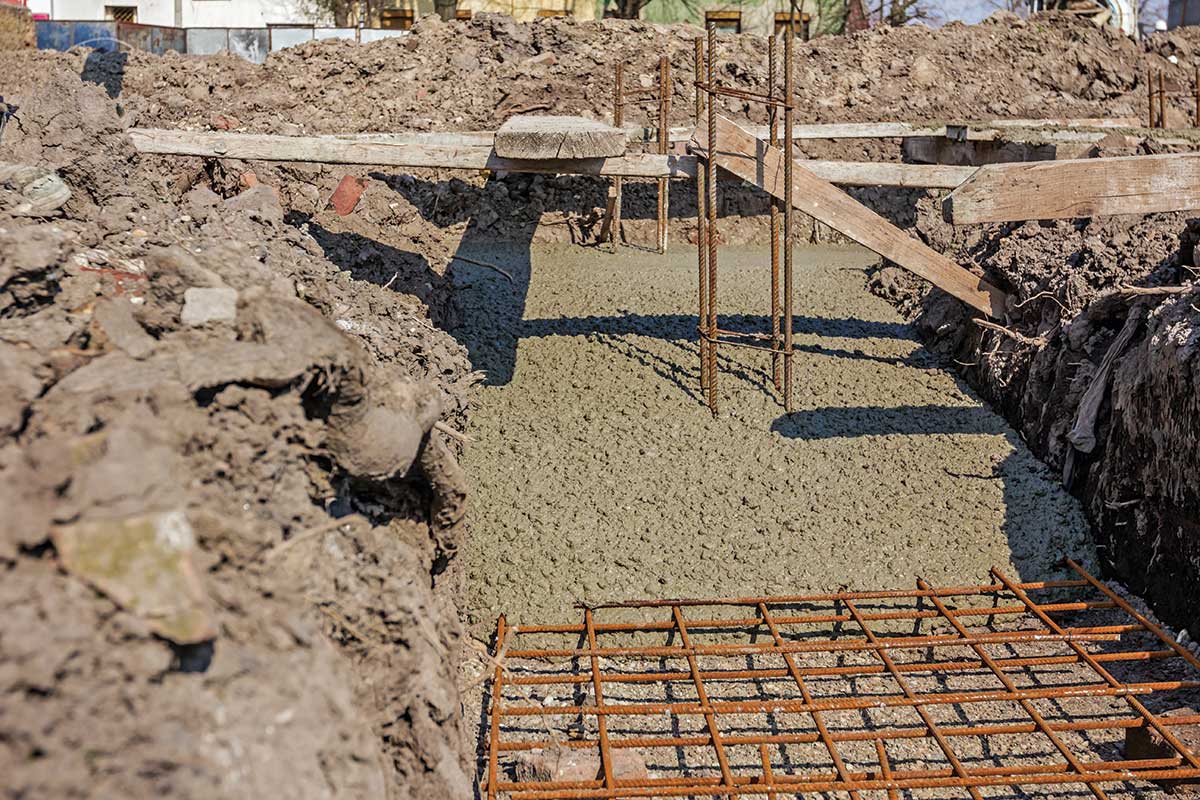
Slab-on-Grade: Simple and Often Cheaper
This is basically a concrete slab poured directly onto the ground. It’s common in warmer climates where the ground doesn’t freeze too deep. Generally, it’s one of the more affordable options because it’s a single pour and doesn’t involve a lot of digging.
Crawl Space: A Little More Breathing Room (and Cost)
A crawl space is a shallow area between the ground and the first floor. It gives you access for plumbing and electrical work and can help with ventilation. However, it involves more excavation and building walls, so it usually costs more than a slab.

Basement: Digging Deeper into Your Wallet (and Space)
A basement is a full underground level. It offers a ton of extra living or storage space, which is a big plus for many people. But, it requires significant excavation, forming walls, and waterproofing, making it the most expensive foundation type.
What Drives the Cost of a House Foundation?
Several things can make the price of your foundation go up or down:

Size Matters (Obviously!)
A bigger house means a bigger foundation, which naturally requires more materials and labor. So, a sprawling ranch-style home will likely have a more expensive foundation than a cozy two-story.
The Ground You’re Building On
If your building site has rocky soil, steep slopes, or poor drainage, it can make the excavation and foundation work much more complicated and costly. Soil testing is crucial to understand what you’re dealing with.
The Type of Foundation You Choose (We Already Covered This!)
As mentioned earlier, slab foundations are generally the cheapest, followed by crawl spaces, and then basements being the most expensive.
Labor Costs: Who’s Doing the Work?
Labor costs can vary significantly depending on where you live and the experience of the contractors you hire. Getting quotes from multiple reputable foundation contractors is always a smart move.
Materials: Concrete, Steel, and More
The price of concrete, reinforcing steel (rebar), and other materials can fluctuate. The amount needed will depend on the size and design of your foundation.
Permits and Inspections: Don’t Forget the Paperwork!
You’ll need permits to build, and there will be inspections at various stages to ensure everything meets local building codes. These fees add to the overall cost.
Site Preparation: Getting Ready to Build
Before the foundation can even be poured, the site needs to be cleared, graded, and possibly have utilities roughed in. These steps have their own costs.
Drainage and Waterproofing: Keeping Water Out
Especially with basements and crawl spaces, proper drainage and waterproofing are essential to prevent moisture problems. This adds to the cost but is a crucial investment.
Ballpark Figures: What Can You Expect to Pay?
It’s tough to give an exact number without knowing all the specifics of your project, but here are some rough estimates to give you an idea:
Slab Foundation Cost
For a typical-sized house, a slab foundation might range from £4,000 to £10,000 or more. This is a very broad range and depends heavily on the square footage.
Crawl Space Foundation Cost
A crawl space foundation could cost anywhere from £6,000 to £15,000+. The added costs come from building the perimeter walls and the extra excavation.
Basement Foundation Cost
Building a full basement is the most significant investment, potentially ranging from £15,000 to £30,000+, and sometimes even more for larger or more complex designs.
Keep in mind these are just very general estimates. The actual cost for your project could be significantly different.
How to Keep Foundation Costs in Check
While you can’t control everything, here are a few ways to potentially save on foundation costs:
Keep the design simple: Complex foundation shapes will require more forming and labor.
Conclusion: Investing in a Solid Start
Building a house foundation is a critical step, and understanding the potential costs involved is essential for budgeting and planning. While it can be a significant expense, a well-built foundation provides the stability and longevity your home needs. By considering the different types, the factors that influence cost, and ways to potentially save, you can approach this important part of your building project with more confidence.
Frequently Asked Questions (FAQs)
Will the cost of concrete affect my foundation price significantly?
Yes, fluctuations in the price of concrete can impact your overall foundation cost, as it’s a primary material. Your contractor should be able to give you an estimate that accounts for current material prices.
Is it worth getting soil testing done, even if it adds to the initial cost?
Absolutely. Soil testing is a crucial investment. It helps identify potential issues like poor drainage or unstable soil that could significantly increase foundation costs or lead to problems later on if not addressed.
Can I save money by doing some of the foundation work myself?
Foundation work is typically complex and requires specialized knowledge and equipment. Mistakes can be very costly and compromise the structural integrity of your home. It’s generally best left to experienced professionals.
How long does it typically take to build a house foundation?
The timeframe can vary depending on the type and size of the foundation, as well as weather conditions. A slab foundation might take a few days to a week, while a basement can take several weeks. Your contractor will provide a more specific timeline.
What happens if I don’t budget enough for the foundation?
Underestimating the cost of your foundation can lead to significant delays and financial stress during your build. It’s always wise to get detailed quotes and potentially have a contingency fund to cover unexpected expenses related to the foundation work.


