Going green might seem like a daunting task reserved for large corporations with endless budgets. But what if I told you that embracing a green office strategy is not only achievable for small and medium-sized enterprises (SMEs) but also a powerful way to boost your bottom line and attract top talent? In today’s world, sustainability isn’t just a buzzword; it’s a smart business move. By implementing a few simple changes, your SME can reduce its environmental impact, save money, and build a positive reputation.
This guide will walk you through practical, low-cost strategies to make your workplace more sustainable. We’ll cover everything from energy conservation to waste reduction and even how to market your eco-friendly efforts. Get ready to transform your office into a green powerhouse.
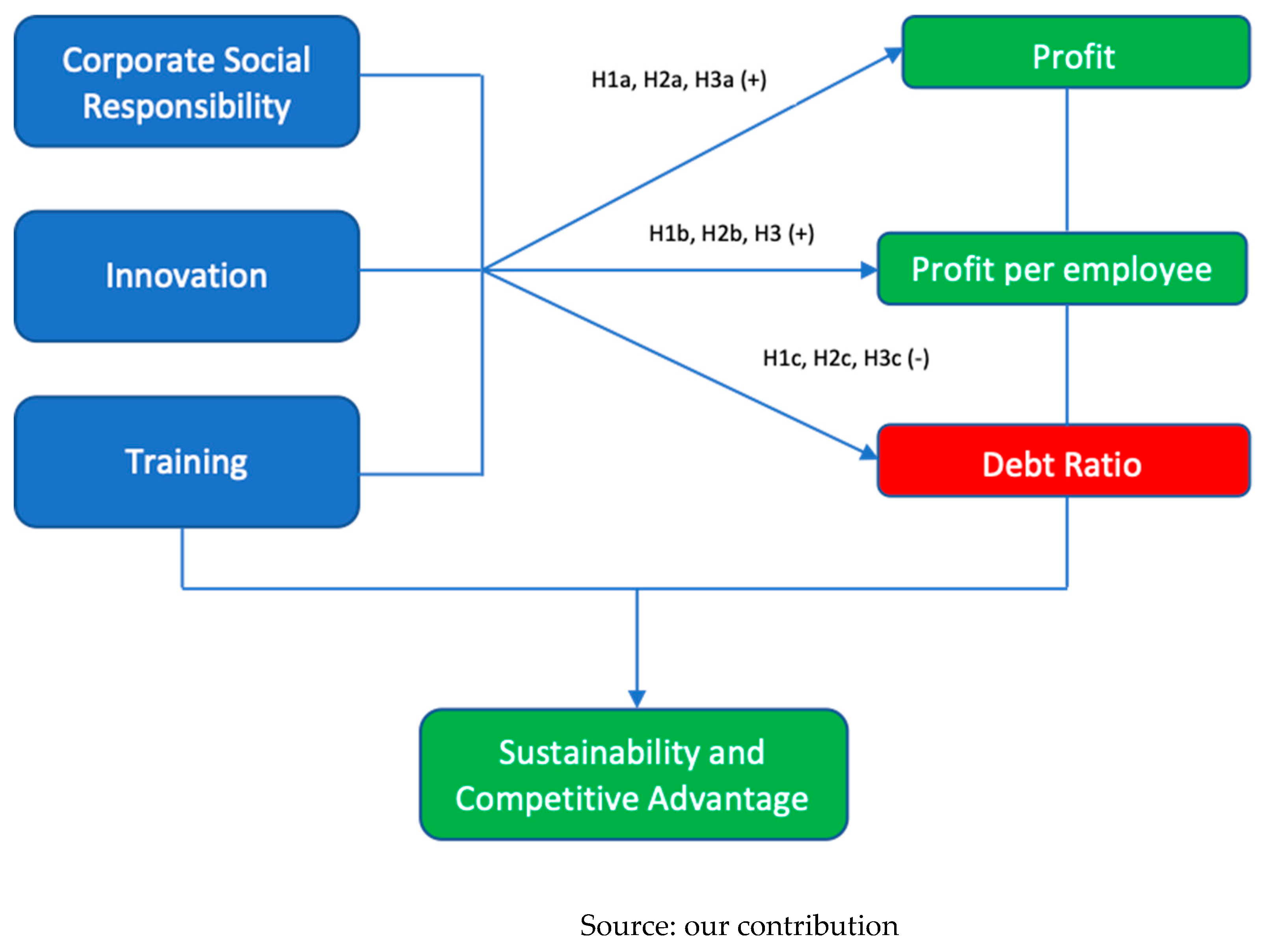
An Integrated Framework on the Sustainability of SMEs
Why Go Green? The Business Case for Sustainability
Before we dive into the “how,” let’s explore the “why.” You might be wondering, “Is this really worth my time and resources?” The answer is a resounding yes. A green office strategy offers several tangible benefits for SMEs:
Cost Savings: This is often the most compelling reason. By reducing energy consumption, printing less, and minimizing waste, your SME can significantly cut down on operational expenses. Think of it as a long-term investment that pays for itself.
Enhanced Brand Reputation: Consumers and business partners are increasingly prioritizing companies that demonstrate a commitment to social and environmental responsibility. A green image can differentiate your SME from competitors and build trust.
Talent Attraction and Retention: The modern workforce, particularly younger generations, wants to work for companies that align with their values. A sustainable workplace can make your SME a more attractive employer, helping you attract and retain skilled employees.
Increased Innovation: Thinking green often requires creative problem-solving. This mindset can spark innovation in other areas of your business, leading to new products, services, and processes.
Regulatory Compliance: As environmental regulations become stricter, having a proactive green strategy can help your SME stay ahead of the curve and avoid potential fines or penalties.
Step 1: Energy Efficiency 💡
Energy consumption is one of the biggest contributors to an office’s carbon footprint. Fortunately, it’s also one of the easiest areas to tackle. You don’t need to install solar panels overnight; small changes can have a huge impact.
Lighting the Way to Savings
Switch to LED Bulbs: If you haven’t already, this is a non-negotiable first step. LED bulbs use up to 80% less energy than traditional incandescent bulbs and last significantly longer. The initial investment is minimal and the savings are immediate.
Maximize Natural Light: Encourage employees to open blinds and use natural light whenever possible. This simple action reduces the need for artificial lighting and creates a more pleasant work environment.
Install Motion Sensors: In common areas like bathrooms, storage rooms, and hallways, install motion sensors that automatically turn off lights when no one is around. This eliminates the “left the lights on” problem and saves energy effortlessly.
Encourage a “Switch Off” Culture: Make it a company policy to turn off lights and monitors at the end of the day. A gentle reminder by the light switch or a daily email can go a long way.
Powering Down Electronics
Unplug “Vampire” Devices: Many electronics, like phone chargers, coffee makers, and monitors, continue to draw power even when they’re turned off. Encourage employees to unplug these devices at the end of the day or use power strips with on/off switches.
Enable Power-Saving Modes: Ensure all computers, monitors, and printers are set to their power-saving modes. This automatically reduces energy consumption during periods of inactivity.
Upgrade to Energy-Efficient Equipment: When it’s time to replace old computers, printers, or other appliances, look for products with an ENERGY STAR® label. These products are certified to meet strict energy efficiency standards.
Step 2: Waste Reduction and Recycling 🗑️
The “reduce, reuse, recycle” mantra is a classic for a reason. Tackling waste is a great way to make your office greener and cleaner.
Rethink Your Paper Consumption
Go Digital First: Challenge the assumption that everything needs to be printed. Use cloud-based document sharing, digital signatures, and online collaboration tools.
Double-Sided Printing: If you absolutely must print, make double-sided printing the default setting on all office printers. This simple change instantly halves your paper consumption.
Use Recycled Paper: When buying paper, opt for products made from recycled content. It’s a small change with a big environmental impact.
Create a “Scrap Paper” Box: Encourage employees to use the blank side of used paper for notes, to-do lists, and internal memos.
Implement a Comprehensive Recycling Program
Clear and Accessible Bins: Make recycling easy and intuitive. Place clearly labeled bins for paper, plastic, glass, and metal throughout the office. A single, dedicated bin for each type of recyclable material is better than one big “recycling” bin.
Provide Education: Not everyone knows what can and can’t be recycled. Create a simple guide or poster explaining what goes in which bin. This prevents contamination and ensures your recycling efforts are successful.
Partner with a Local Recycler: Find a reliable local recycling service that can handle your office’s specific needs. Some companies even offer composting services for organic waste.
Reduce Single-Use Plastics
Provide Reusable Kitchenware: Ditch single-use plastic cups, plates, and cutlery. Instead, provide reusable mugs, glasses, and utensils in the office kitchen.
Install a Water Filter: Replace bottled water with a water cooler and filter system. Encourage employees to use reusable water bottles.
Ditch the Coffee Pods: While convenient, many coffee pods are not recyclable. Consider switching to a bulk coffee system or a machine that uses compostable pods.
Step 3: Green Procurement 🛒
What you buy and who you buy it from matters. By making conscious purchasing decisions, your SME can support other sustainable businesses and reduce its own environmental footprint.
Choose Sustainable Office Supplies: Look for office supplies made from recycled materials, like pens, binders, and notepads.
Buy in Bulk: Purchasing supplies in bulk reduces packaging waste and often saves money.
Support Local Suppliers: Buying from local vendors reduces the carbon footprint associated with transportation and supports your local economy.
Select Eco-Friendly Cleaning Products: Many conventional cleaning products contain harsh chemicals that are harmful to both human health and the environment. Switch to eco-friendly, biodegradable alternatives.
Step 4: Transportation and Commuting 🚲
Employee commutes and business travel can be a significant source of a company’s carbon emissions. While you can’t control how everyone gets to work, you can encourage greener alternatives.
Promote Public Transport: If your office is near public transport, encourage employees to use it. Consider offering a small subsidy for public transport passes.
Support Cycling: Install bike racks and, if possible, provide shower facilities. This makes cycling to work a more viable option.
Encourage Carpooling: Create an online platform or a bulletin board for employees to find carpooling partners.
Embrace Remote Work: If your business allows, offer employees the option to work from home one or two days a week. This drastically reduces commuting-related emissions.
Step 5: The Human Element: Getting Everyone on Board 🤝
A green office strategy won’t succeed without the buy-in of your entire team. Getting employees excited about sustainability is key.
Communicate and Educate: Explain the “why” behind the changes. Share the cost savings and environmental benefits. Make it clear that this isn’t about creating extra work but about building a better company.
Create a “Green Team”: Form a small group of enthusiastic employees to lead the charge. This team can research new initiatives, monitor progress, and come up with creative ideas.
Make it a Competition: Run friendly competitions, like “who can save the most energy this month” or “the department that recycles the most.” Offer small prizes to keep things fun.
Celebrate Successes: Share your progress with the team. Let them know how much money has been saved or how many pounds of waste have been diverted from landfills. This reinforces their efforts and keeps them motivated.
Marketing Your Green Efforts: Tell Your Story 📣
Once you’ve implemented your green office strategy, don’t be shy about it! Marketing your sustainability efforts is a great way to attract new customers and build brand loyalty.
Update Your Website: Create a dedicated page on your website detailing your commitment to sustainability. Use this space to showcase the specific actions you’ve taken, like switching to LED lights or using recycled paper.
Share on Social Media: Post about your green initiatives on social media platforms like LinkedIn and Instagram. Use hashtags like #greenoffice, #sustainability, and #ecofriendlybusiness.
Incorporate into Your Marketing Materials: Mention your green practices in your company brochures, business cards, and email signatures.
Apply for Certifications: If you’re serious about your green efforts, consider applying for a formal certification. This adds a layer of credibility and can be a powerful marketing tool.
Looking to the Future: Beyond the Basics 🚀
Once you have the basics down, you might be ready to take your green office strategy to the next level. Here are a few advanced ideas to consider:
Plant an Office Garden: If you have the space, a small office garden can be a great way to grow fresh herbs or vegetables for the team.
Composting: Set up a composting system for food scraps and coffee grounds. This can be used for the office garden or donated to a local community garden.
Green Hosting: When it’s time to renew your website hosting, consider switching to a green web host that uses renewable energy to power its servers.
Sustainable Furniture: When you’re buying new office furniture, look for products made from reclaimed or sustainably sourced materials.
Conclusion: A Small Step for a Big Impact
Creating a green office doesn’t have to be a monumental undertaking. By focusing on small, actionable steps in areas like energy, waste, and procurement, your SME can make a significant difference. Not only will you be contributing to a healthier planet, but you’ll also be building a more resilient, cost-effective, and attractive business. Start with one change today and watch the positive effects ripple throughout your organization. Your employees, your customers, and your bottom line will thank you for it.