
- The Heart of the Home: Exploring Diverse Kitchen Types
The kitchen, often considered the heart of the home, has evolved significantly over time. From simple cooking spaces to multifunctional areas, kitchens now cater to diverse needs and lifestyles. Understanding the various kitchen types can help you design a space that perfectly suits your requirements.
- Understanding Kitchen Layouts
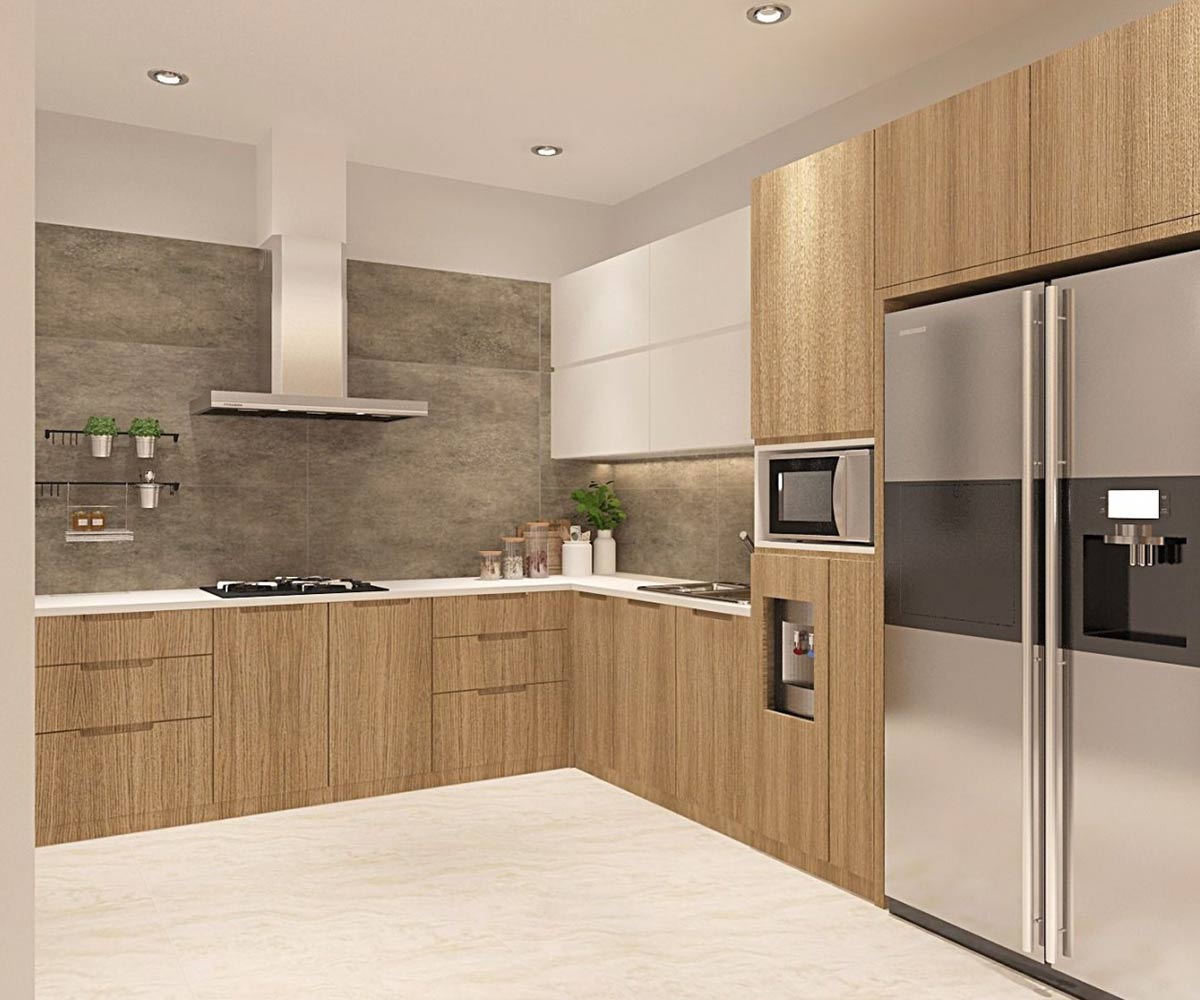
The layout of a kitchen is fundamental to its functionality. It dictates the flow of movement, the efficiency of cooking, and the overall aesthetic. Here are some of the most common kitchen layouts:
1. The One-Wall Kitchen
This layout is ideal for small spaces, such as apartments or studios.
- All cabinets, appliances, and countertops are arranged along a single wall.
- It’s a simple and efficient design, maximizing available floor space.
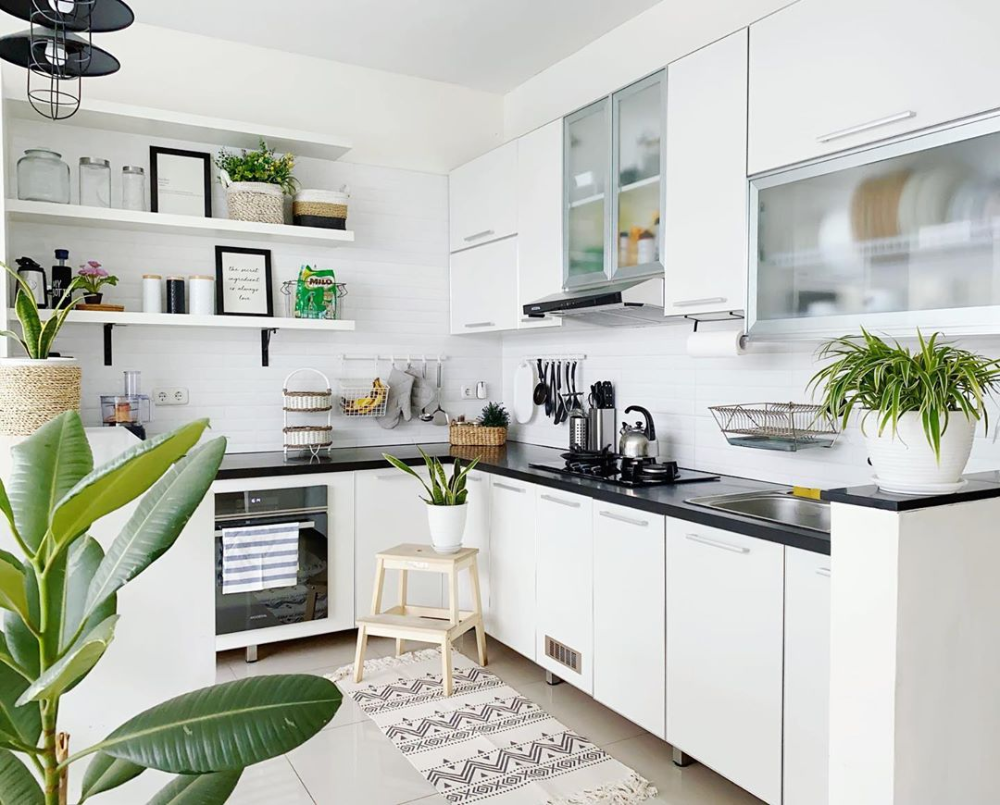
2. The Galley Kitchen
Also known as a corridor kitchen, this layout features two parallel runs of cabinets and countertops.
- It’s a highly efficient design, particularly for cooking, as everything is within easy reach.
- Galley kitchens are popular in both small and large homes.
3. The L-Shaped Kitchen
This layout consists of two adjacent walls of cabinets and countertops, forming an “L” shape.
- It’s a versatile design that can be adapted to various room sizes.
- L-shaped kitchens provide ample countertop space and storage.
4. The U-Shaped Kitchen
This layout features cabinets and countertops along three walls, creating a “U” shape.
- It’s a highly functional design that offers plenty of storage and workspace.
- U-shaped kitchens are ideal for larger spaces.
5. The Island Kitchen
This layout incorporates a freestanding island in the center of the kitchen.
- Islands provide additional countertop space, storage, and seating.
- They also serve as a focal point and enhance the social aspect of the kitchen.
Island Variations
- Cooking Island: Contains a cooktop or oven.
- Prep Island: Primarily used for food preparation.
- Social Island: Features seating for dining or entertaining.
6. The Peninsula Kitchen
Similar to an island kitchen, but a peninsula is connected to one wall, creating a “peninsula” of countertop space.
- It offers the benefits of an island while being more adaptable to smaller spaces.
- Kitchen Styles and Designs
Beyond the layout, the style and design of a kitchen play a crucial role in its overall appeal. Here are some popular kitchen styles:
7. Traditional Kitchens
Characterized by ornate details, rich wood finishes, and classic designs.
- They often feature raised-panel cabinets, decorative moldings, and antique-inspired hardware.
- Traditional kitchens exude a sense of warmth and elegance.
8. Modern Kitchens
Emphasize clean lines, minimalist designs, and sleek finishes.
- They often feature flat-panel cabinets, stainless steel appliances, and quartz countertops.
- Modern kitchens are known for their functionality and contemporary aesthetic.
9. Contemporary Kitchens
Blend elements of modern and traditional styles, creating a balanced and versatile look.
- They often feature a mix of materials, textures, and colors.
- Contemporary kitchens are adaptable to various tastes and preferences.
10. Transitional Kitchens
A blend of traditional and contemporary elements.
- They are known for a timeless design.
- They are often very neutral in color.
- They provide a very functional space.
11. Cottage Kitchens
These kitchens have a warm and comfortable feeling.
- They often use natural materials, and light colored paint.
- Open shelving is very common in this design.
12. Industrial Kitchens
These kitchens are inspired by commercial kitchens.
- They often use stainless steel, and exposed brick.
- They have a very robust and functional feel.
- Key Considerations When Choosing a Kitchen Type
When selecting a kitchen type, consider the following factors:
Space: The size and shape of your kitchen will determine the most suitable layout.
- Lifestyle: How you use your kitchen will influence the features and design you choose.
- Budget: Kitchen renovations can vary significantly in cost, so it’s essential to set a budget.
- Functionality: Prioritize functionality and efficiency to create a practical and enjoyable cooking space.
- Aesthetic: Choose a style that reflects your personal taste and complements your home’s overall decor.
By carefully considering these factors, you can create a kitchen that perfectly meets your needs and enhances your home’s value.


