
How corporate Social Responsibility Builds Long-Term Business Value
Corporate Social Responsibility (CSR) isn’t just about good deeds and positive public relations; it’s a strategic approach that can create significant long-term business value. While the immediate benefits of a CSR program might seem like a brand boost or a pat on the back, the real payoff comes from its ability to enhance a company’s resilience, attract top talent, and build lasting relationships with customers and stakeholders. In a world where consumers are increasingly conscious of a company’s ethics, a strong commitment to CSR is no longer a luxury—it’s a necessity for sustained success.
—
What Exactly Is Corporate Social Responsibility?
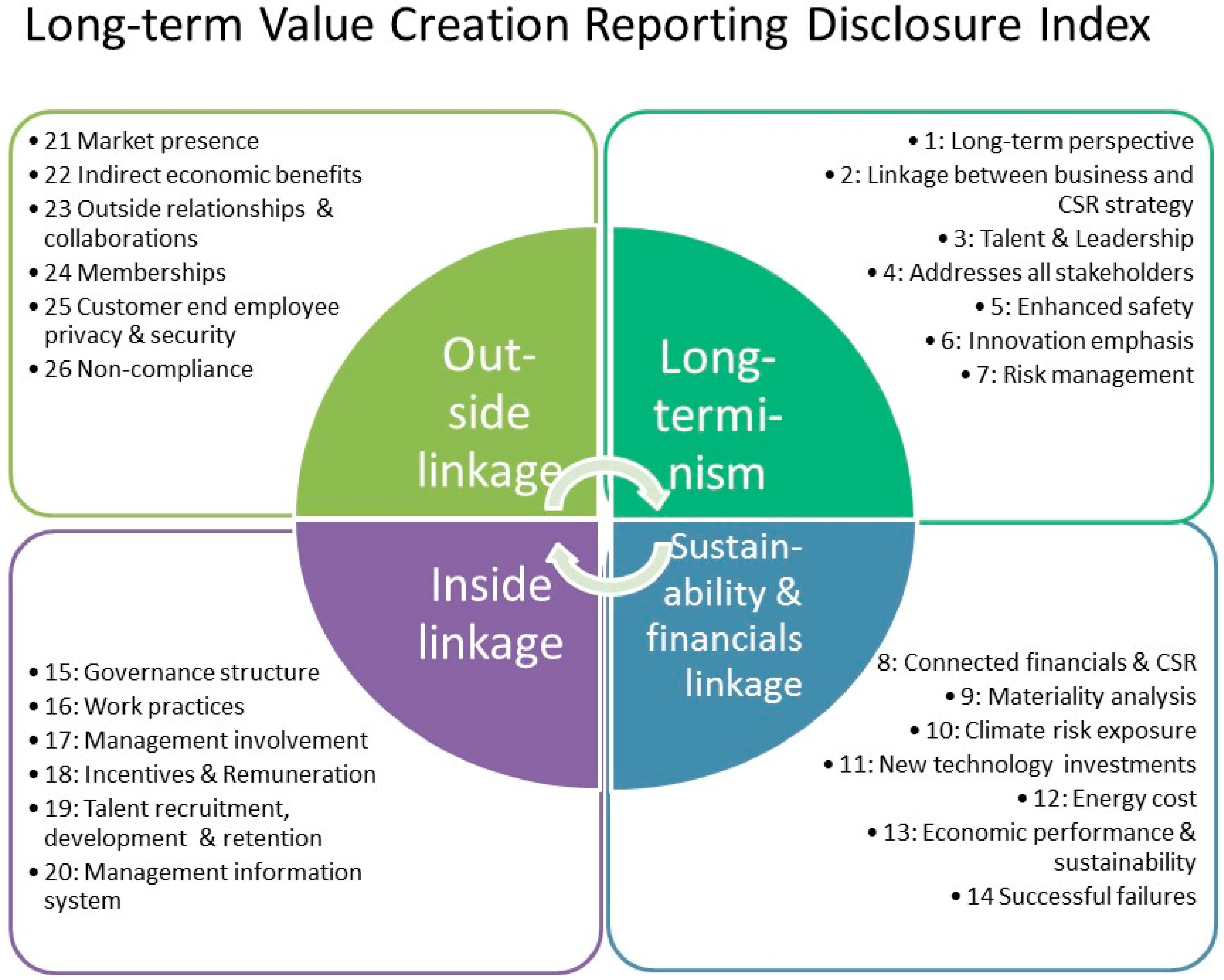
At its core, CSR is a company’s way of taking responsibility for its impact on society and the environment. It goes beyond simply complying with the law. It’s about voluntarily integrating social and environmental concerns into business operations and interactions with stakeholders. Think of it as a company’s conscience in action. This can manifest in a variety of ways, from reducing carbon emissions and using sustainable materials to supporting local communities and ensuring fair labor practices throughout the supply chain.
A great way to understand CSR is through the “triple bottom line” concept, which suggests that businesses should measure their success not just by financial profits, but also by their social and environmental performance. These three areas—profit, people, and planet—are interconnected, and a company that excels in all three is more likely to thrive in the long run.
—
The Link Between CSR and Financial Performance
The idea that being “good” can lead to greater profits might seem counterintuitive to some, but a growing body of research shows a clear link between strong CSR practices and improved financial performance. Companies with a solid commitment to CSR often experience a number of tangible benefits that translate directly to the bottom line.
One of the most significant benefits is enhanced brand reputation and customer loyalty. Today’s consumers are more informed and socially aware than ever before. They want to buy from companies they trust and whose values align with their own. A company known for its ethical practices and community involvement is more likely to win a customer’s business and, more importantly, retain their loyalty for years to come. This loyalty can lead to repeat business, positive word-of-mouth marketing, and a buffer against negative news cycles.
Furthermore, a strong CSR program can lead to operational efficiencies and cost savings. For example, a company that invests in energy-efficient technology not only reduces its carbon footprint but also lowers its utility bills. Similarly, improving waste management and recycling programs can reduce disposal costs. These seemingly small changes can add up to significant savings over time.
—
Attracting and Retaining Top Talent
In today’s competitive job market, attracting and retaining talented employees is a major challenge for many businesses. This is where CSR can give a company a significant edge. Employees, particularly millennials and Gen Z, are looking for more than just a paycheck. They want to work for a company that has a purpose beyond profit. A strong CSR program shows that a company is committed to making a positive impact on the world, which can be a powerful motivator for potential employees.
Companies with a reputation for being socially responsible often find it easier to attract a wider pool of qualified candidates. Once hired, these employees tend to be more engaged, more productive, and more likely to stay with the company for the long term. This reduces turnover costs and helps build a stable and experienced workforce. Furthermore, employees who feel good about where they work are often excellent brand ambassadors, spreading the word about the company’s positive values.
—
Building Stronger Stakeholder Relationships
A business doesn’t operate in a vacuum. It’s part of a complex network of stakeholders, including customers, employees, investors, suppliers, local communities, and government regulators. Building strong, positive relationships with all of these groups is crucial for long-term success, and CSR is a powerful tool for doing just that.
For investors, a company with a strong CSR track record is often seen as a less risky and more sustainable investment. This is because CSR indicates good governance, forward-thinking management, and an ability to manage potential environmental, social, and governance (ESG) risks. Increasingly, institutional investors are using ESG criteria to make investment decisions, making CSR an important factor in attracting capital.
For suppliers, a company committed to ethical sourcing and fair labor practices can build more resilient and trustworthy supply chains. By working with suppliers who share their values, a company can mitigate risks associated with labor violations or environmental disasters, which can disrupt operations and damage reputation.
For local communities, a company that invests in local projects, hires from the local population, and minimizes its environmental impact is seen as a good neighbor. This goodwill can be invaluable in a crisis and can lead to stronger partnerships and a more supportive business environment.
—
Mitigating Risk and Ensuring Long-Term Resilience
In a world full of unpredictability, building a resilient business is more important than ever. CSR plays a critical role in this by helping companies anticipate and mitigate a wide range of risks. For example, a company that proactively works to reduce its environmental impact is better prepared for new regulations and potential carbon taxes. A company that ensures fair labor practices is less likely to face costly lawsuits or public boycotts.
CSR acts as a kind of corporate insurance policy. By taking a proactive approach to social and environmental issues, a company can avoid the financial and reputational damage that can result from a crisis. It shows that the company is a responsible and well-managed entity that takes its obligations seriously, which builds trust with all stakeholders and makes the business more durable in the face of adversity.
—
The Strategic Integration of CSR
For CSR to be truly effective, it can’t be a standalone program or a token gesture. It must be strategically integrated into every aspect of the business. This means embedding social and environmental considerations into the company’s core strategy, from product development and supply chain management to marketing and human resources.
A company’s CSR efforts should be authentic and transparent. Consumers and stakeholders are savvy and can spot “greenwashing” a mile away. To build trust, a company must be willing to back up its claims with concrete actions and measurable results. This could involve publishing an annual sustainability report, getting third-party certifications, or being transparent about the challenges and progress it’s making.
Ultimately, CSR is not a cost center; it’s an investment in the future of the business. By focusing on the triple bottom line—profit, people, and planet—companies can create a virtuous cycle of success. They can build a stronger brand, attract and retain top talent, foster loyalty among customers and investors, and build a more resilient business that is better positioned to thrive in the long term.


