
“`html
corporate Screening: Navigating the Complexities of Due Diligence
Corporate Screening: Navigating the Complexities of Due Diligence
In today’s interconnected and increasingly scrutinized business landscape, corporate screening has become an indispensable practice. It’s no longer a matter of simple background checks; it’s a comprehensive process designed to mitigate risk, ensure compliance, and protect a company’s reputation. This article delves into the intricacies of corporate screening, exploring its various facets, benefits, and challenges.
The Evolving Landscape of Corporate Screening
The need for robust corporate screening has grown exponentially in recent decades. Globalization, technological advancements, and heightened regulatory scrutiny have created a complex web of potential risks. Companies now face threats ranging from financial crimes and reputational damage to supply chain disruptions and cybersecurity breaches. This necessitates a proactive and multifaceted approach to due diligence.
From Basic Checks to Advanced Analytics
Historically, corporate screening might have involved rudimentary checks of public records and credit reports. Today, it encompasses a wide array of techniques, including:
Enhanced Due Diligence (EDD):
This involves in-depth investigations into high-risk entities or individuals, often utilizing specialized databases and investigative resources.
Sanctions Screening:
Ensuring compliance with international sanctions lists to avoid penalties and reputational damage.
Adverse Media Screening:

Monitoring news and online sources for negative information that could impact a company’s reputation.
Beneficial Ownership Verification:
Identifying the true owners of a company to prevent money laundering and other illicit activities.
Cybersecurity Risk Assessments:
Evaluating a company’s vulnerability to cyber threats.
Supply Chain Due Diligence:
Assessing the ethical and environmental practices of suppliers.
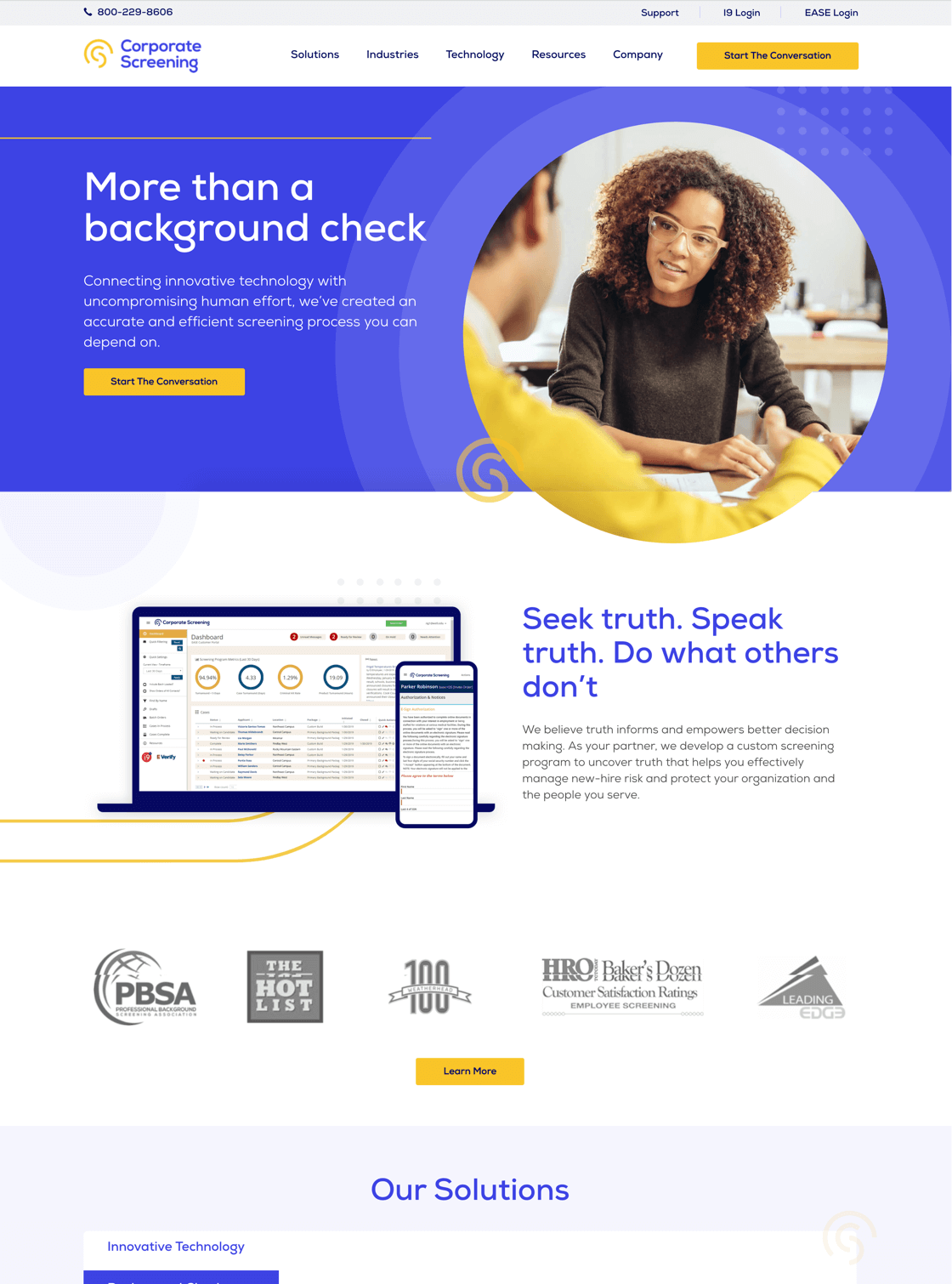
These methods are often supplemented by advanced analytics, artificial intelligence, and machine learning, which can sift through vast amounts of data to identify patterns and anomalies that might otherwise go unnoticed.
Why Corporate Screening Matters
The benefits of effective corporate screening are manifold, impacting various aspects of a business:
Risk Mitigation
At its core, corporate screening aims to minimize risk. By identifying potential red flags early on, companies can avoid costly legal battles, financial losses, and reputational damage. This includes risks associated with fraud, corruption, and regulatory non-compliance.
Compliance Assurance
Numerous regulations, such as anti-money laundering (AML) laws, know-your-customer (KYC) requirements, and sanctions regimes, mandate that companies conduct thorough due diligence. Failure to comply can result in severe penalties and legal repercussions. Corporate screening ensures that businesses remain compliant with these evolving legal frameworks.
Reputation Protection
In the age of social media and instant communication, a company’s reputation can be tarnished in a matter of hours. Corporate screening helps identify potential reputational risks, allowing companies to take proactive measures to safeguard their image.
Informed Decision-Making
By providing comprehensive insights into potential partners, customers, and suppliers, corporate screening enables businesses to make informed decisions. This leads to stronger relationships, reduced risk, and improved overall performance.
Enhanced Security
Cybersecurity risks are a growing concern for businesses of all sizes. Corporate screening includes assessments of a company’s cybersecurity posture, helping to identify vulnerabilities and prevent data breaches.
Key Components of a Robust Screening Program
A successful corporate screening program requires careful planning and execution. Here are some key components:
Clear Policies and Procedures
Establish clear policies and procedures that outline the scope of screening activities, the types of checks to be conducted, and the criteria for assessing risk. This ensures consistency and transparency throughout the organization.
Risk-Based Approach
Adopt a risk-based approach, focusing resources on areas of highest risk. This involves identifying and prioritizing potential threats based on factors such as geography, industry, and the nature of the relationship.
Data Accuracy and Reliability
Ensure that the data used for screening is accurate, reliable, and up-to-date. This may involve utilizing reputable data providers and conducting regular data validation checks.
Technology and Automation
Leverage technology and automation to streamline the screening process and improve efficiency. This includes using screening software, data analytics tools, and automated monitoring systems.
Continuous Monitoring
Corporate screening is not a one-time event. It requires continuous monitoring to identify emerging risks and ensure ongoing compliance. This includes regular reviews of screening results and updates to screening procedures.
Training and Awareness
Provide training and awareness programs for employees to ensure they understand the importance of corporate screening and their role in the process. This helps to foster a culture of compliance and risk awareness.
Challenges in Corporate Screening
Despite its importance, corporate screening presents several challenges:
Data Overload
The sheer volume of data available can be overwhelming. Companies must sift through vast amounts of information to identify relevant risks, which can be time-consuming and resource-intensive.
Data Accuracy and Reliability
Ensuring the accuracy and reliability of data can be challenging, especially when dealing with information from multiple sources. Inaccurate or outdated data can lead to false positives or missed risks.
Evolving Regulations
Regulatory landscapes are constantly evolving, making it difficult for companies to keep up with the latest requirements. This necessitates ongoing monitoring and adaptation of screening procedures.
Global Complexity
Conducting due diligence in different jurisdictions can be complex due to variations in legal frameworks, cultural norms, and data availability. This requires a deep understanding of local regulations and customs.
Balancing Efficiency and Thoroughness
Companies must strike a balance between conducting thorough due diligence and maintaining operational efficiency. Excessive screening can be time-consuming and costly, while insufficient screening can expose the company to significant risks.
The Future of Corporate Screening
The future of corporate screening is likely to be shaped by several key trends:
Increased Use of AI and Machine Learning
AI and machine learning will play an increasingly important role in automating screening processes, analyzing large datasets, and identifying complex patterns of risk.
Enhanced Data Analytics
Advanced data analytics will enable companies to gain deeper insights into potential risks and make more informed decisions. This includes using predictive analytics to anticipate future risks.
Greater Emphasis on ESG Factors
Environmental, social, and governance (ESG) factors will become increasingly important in corporate screening. Companies will be expected to demonstrate their commitment to sustainability and ethical business practices.
Collaboration and Information Sharing
Increased collaboration and information sharing among companies, regulators, and law enforcement agencies will enhance the effectiveness of corporate screening efforts.
Continuous Monitoring and Real-Time Alerts
Real-time monitoring and alerts will enable companies to respond quickly to emerging risks and ensure ongoing compliance.
Conclusion
Corporate screening is a critical component of modern business operations. By conducting thorough due diligence, companies can mitigate risks, ensure compliance, protect their reputation, and make informed decisions. As the business landscape continues to evolve, corporate screening practices must adapt to address emerging challenges and leverage new technologies. Embracing a proactive and comprehensive approach to due diligence is essential for navigating the complexities of today’s interconnected world and ensuring long-term success.
“`


