
Alright, let’s talk about putting together a balcony for your house. It’s a fantastic way to add some outdoor living space and can really boost your property value. We’ll go through the main steps you’d typically encounter. Keep in mind, though, that this is a general overview, and you’ll absolutely need to check local building codes and maybe even get some professional advice before you start swinging a hammer. Safety first, always!
Planning Your Balcony: What to Think About
Before you even think about materials, you need a solid plan. This is where you figure out what you want and what’s actually possible.
# What Do You Want to Use It For?
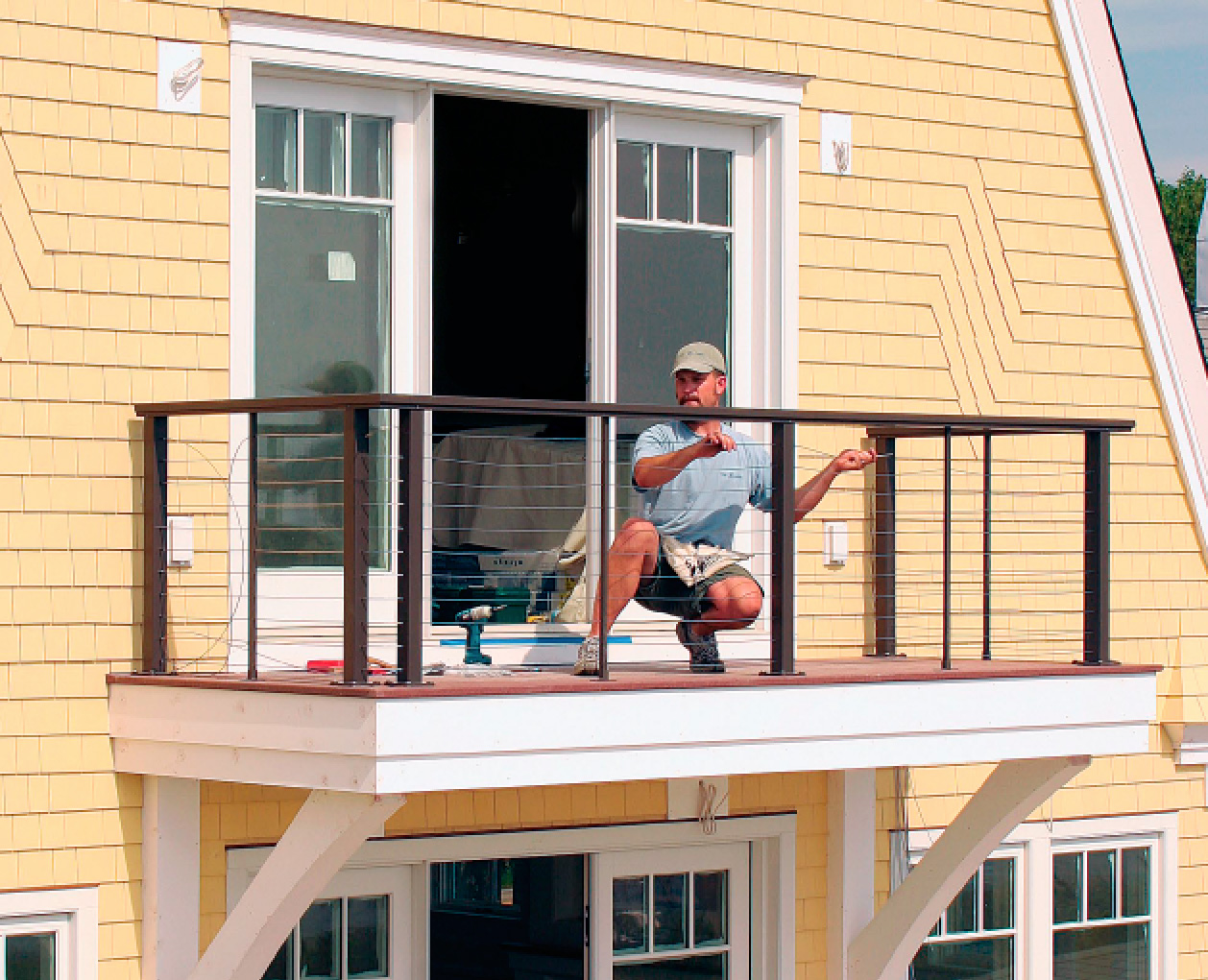
Are you dreaming of sipping your morning coffee out there? Maybe you want a spot for some potted plants? Or perhaps you envision a small table and chairs for enjoying a quiet evening? How you plan to use the balcony will influence its size and the type of materials you choose. A small Juliet balcony just for stepping out and getting some air is very different from a larger deck where you can entertain guests.
# Size and Shape Matters
Think about how much space you have available on the side of your house. Consider the proportions – you don’t want a tiny balcony sticking out awkwardly from a large building, or vice versa. The shape can also vary. Rectangular is common, but you could also consider an L-shaped or even a curved design if it suits your home’s architecture and your taste.
# Where Will It Be Located?
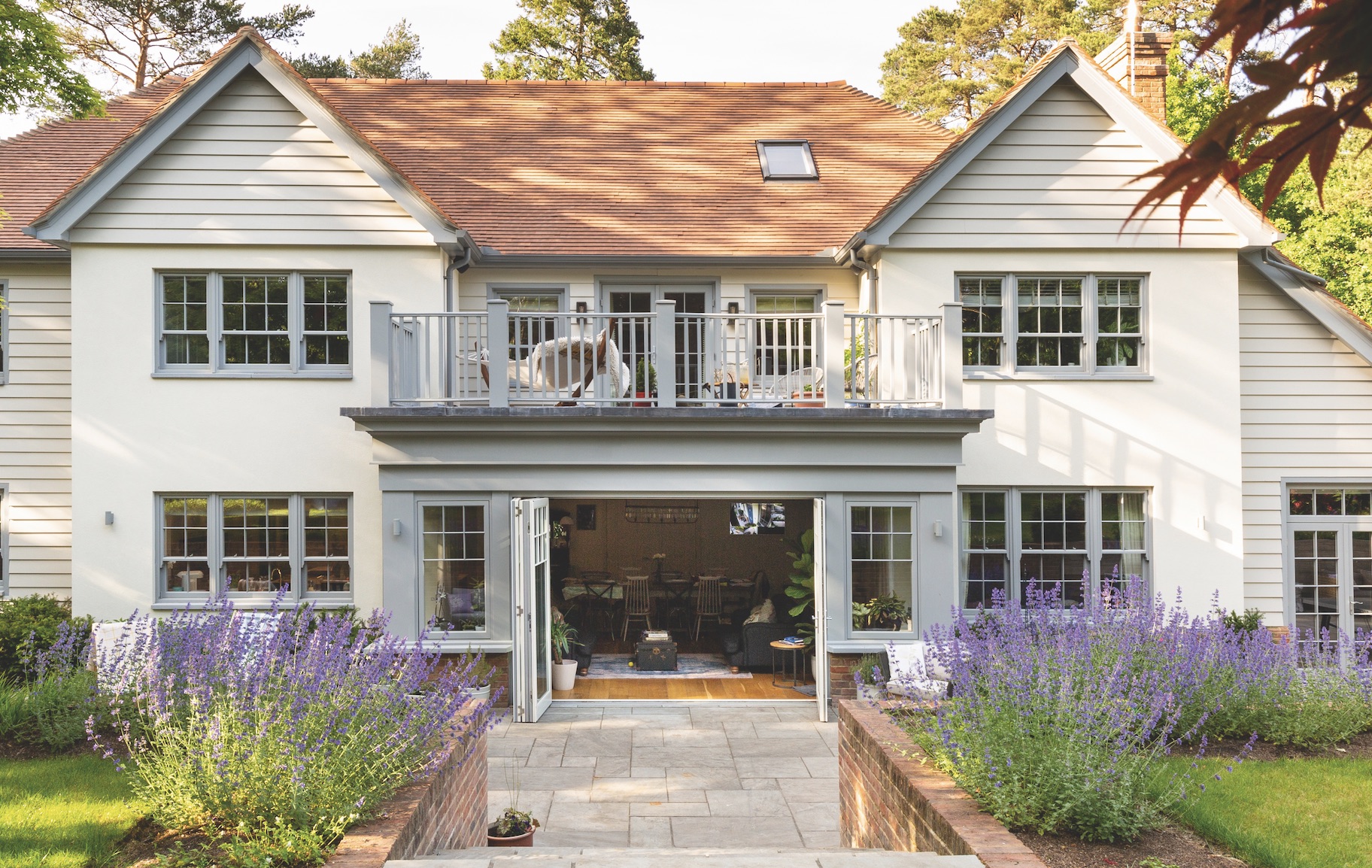
The location of your balcony is crucial. Consider things like sunlight exposure. Do you want a sunny spot or a shady retreat? Think about the view – what will you be looking at? Also, consider access. Which room will the balcony connect to? Making it easily accessible from a frequently used room like a living room or bedroom makes the most sense.
# Building Codes and Regulations
This is super important. You absolutely must check your local building codes and regulations before you start any construction. There might be rules about size, height, materials, and safety features like railings. You might also need permits before you can begin work. Ignoring these regulations can lead to big headaches down the line, including fines or having to tear down your hard work. Contact your local council or building authority to get all the necessary information.
# Budgeting for Your Balcony
Building a balcony isn’t free. You’ll need to factor in the cost of materials (wood, metal, composite), fasteners, railings, and potentially professional help if you decide to hire a contractor. Get some rough estimates for your design to avoid any surprises later on.
Choosing Your Materials: What Are Your Options?
The materials you choose will affect the look, durability, and maintenance of your balcony. Here are some common options:
# Wood: Classic and Warm
Wood is a popular choice for balconies because it looks natural and feels warm. Common types include cedar, redwood, and pressure-treated lumber. Wood can be stained or painted to match your house. However, it does require regular maintenance like sealing or staining to protect it from the elements and prevent rot and insect damage.
# Metal: Strong and Modern
Steel and aluminum are strong and durable options for balcony structures and railings. Metal can offer a more modern or industrial look. Steel is very strong but can rust if not properly treated. Aluminum is lighter and doesn’t rust, making it a good choice in coastal areas. Metal balconies often require professional welding and installation.
# Composite: Low Maintenance and Durable
Composite decking is made from a mix of wood fibers and plastic. It offers the look of wood but is much more resistant to rot, insects, and fading. It requires very little maintenance, usually just an occasional cleaning. While it can be more expensive upfront than wood, the lower maintenance costs can make it a worthwhile investment in the long run.
# Concrete: Solid and Permanent
For ground-level or supported balconies, concrete can be a very solid and permanent option. It’s incredibly durable and requires minimal maintenance. However, it can be less visually warm than wood or composite and might require more extensive construction work.
Building the Balcony Structure: The Foundation
The structure is the backbone of your balcony, so it needs to be strong and stable.
# Attaching to Your House: Ledgers and Supports
The balcony will typically be attached to your house using a ledger board, which is a piece of lumber bolted directly to the exterior wall. Proper installation of the ledger board is critical for the safety and stability of the entire structure. It needs to be level and securely fastened to the house’s framing. Depending on the size and design of your balcony, you might also need additional support posts or beams extending down to the ground or a foundation. These supports carry the weight of the balcony and everything on it.
# Framing the Deck: Creating the Skeleton
Once the ledger board and any support posts are in place, you’ll build the frame of the balcony deck. This usually involves joists – horizontal beams that span between the ledger board and a supporting beam or the outer edge of the balcony. The joists are typically spaced at regular intervals (check your local building codes for spacing requirements) and provide the support for the decking surface.
# Ensuring Proper Drainage
It’s important to design your balcony so that water can drain away easily. This helps prevent water damage and keeps the surface from becoming slippery. You can achieve this by slightly sloping the deck away from the house.
Installing the Decking: Creating the Surface
This is what you’ll actually walk on.
# Laying the Deck Boards
Whether you’ve chosen wood, composite, or another material, the deck boards will be attached to the joists. Make sure to leave small gaps between the boards to allow for expansion and contraction due to temperature and moisture changes. Use appropriate screws or fasteners designed for your chosen decking material.
# Finishing Touches: Edges and Details
Consider how you’ll finish the edges of your balcony. You might want to add fascia boards to cover the ends of the joists and give a cleaner look. Think about any other details like built-in benches or planters you might want to incorporate.
Adding Railings: Safety First
Railings are absolutely essential for any elevated balcony to prevent falls. Building codes will have specific requirements for the height and spacing of railing components.
# Choosing Your Railing Style
Railing options are diverse, from simple wooden railings to more elaborate metal or glass designs. Consider the overall style of your house and your personal preferences.
# Ensuring Proper Installation
Railings need to be securely attached to the balcony structure. Make sure the posts are firmly anchored and that the railings themselves are strong and stable. This is not an area to cut corners on – safety is paramount.
Final Steps: Making It Your Own
Once the main structure and railings are complete, you can think about the finishing touches that will make your balcony a comfortable and enjoyable space.
# Sealing and Staining (if applicable)
If you’ve used wood, now is the time to seal or stain it to protect it from the elements and enhance its appearance.
# Adding Furniture and Decor
Bring in some outdoor furniture, potted plants, and any other decor that will make the space feel inviting and personal.
# Lighting
Consider adding some outdoor lighting so you can enjoy your balcony in the evening. This could include wall-mounted lights, string lights, or even solar-powered options.
Building a balcony is a significant project that requires careful planning, attention to detail, and adherence to safety regulations. While it can be a rewarding endeavor that adds value and enjoyment to your home, it’s crucial to approach it responsibly and seek professional help when needed.
Conclusion
Building a house balcony is a project that blends practical construction with the desire for enhanced living space. From the initial vision and navigating local regulations to the selection of materials and the careful execution of each step, a successful balcony build requires thorough planning and a commitment to safety. By considering how you intend to use the space, choosing appropriate and durable materials, and ensuring the structural integrity and safety features like railings are correctly implemented, you can create an outdoor oasis that not only adds value to your property but also provides a wonderful place to relax and enjoy the outdoors. Remember to always prioritize safety and consult with professionals when in doubt to ensure a balcony that is both beautiful and built to last.
Frequently Asked Questions
What kind of permits do I usually need to build a balcony?
Generally, you’ll likely need a building permit from your local council or building authority. This permit ensures that your project meets local safety standards and building codes. Depending on the scope of your project, you might also need other approvals, so it’s best to check with your local authorities early in the planning process.
How long does it typically take to build a balcony?
The timeframe can vary significantly depending on the size and complexity of the balcony, the materials used, and whether you’re doing it yourself or hiring professionals. A small, simple balcony might take a few weekends for a DIYer, while a larger, more complex design built by a contractor could take several weeks. Weather can also play a role in the timeline.
What’s the best material for a low-maintenance balcony deck?
Composite decking is generally considered the best option for a low-maintenance balcony surface. It resists rot, insects, and fading, and typically only requires occasional cleaning. While the initial cost might be higher than wood, the long-term savings in maintenance can make it a cost-effective choice.
How much weight can a typical house balcony hold?
The weight capacity of a balcony depends heavily on its design, the materials used, and how it’s attached to the house. Building codes usually specify minimum load requirements to ensure safety. It’s crucial to design and build your balcony to meet or exceed these requirements. If you’re unsure, consult with a structural engineer to determine the safe load-bearing capacity of your specific balcony.
Can I build a balcony myself, or should I hire a professional?
Whether you can build a balcony yourself depends on your DIY skills, experience with construction projects, and the complexity of the design. For simple, ground-level decks, a confident DIYer might be able to handle the project. However, for elevated balconies, especially those attached to the house structure, it’s often safer and recommended to hire a qualified contractor. They have the expertise, tools, and knowledge of building codes to ensure the balcony is structurally sound and safe.


