
Title: Supercharging Your CSR: How Business Strategy Workshops Can Transform Your Social Impact
The world of business has changed. It’s no longer just about profit margins and shareholder value. Today, a company’s reputation and long-term success are deeply intertwined with its commitment to corporate Social Responsibility (CSR). But let’s be honest, for many companies, CSR can feel like a box-ticking exercise – a donation here, a volunteering day there. It’s often disconnected from the core business strategy, and as a result, its impact can be underwhelming.
This is where a game-changer comes in: the business strategy workshop for CSR.
Think of it this way: you wouldn’t launch a new product or enter a new market without a comprehensive plan. You’d gather your team, brainstorm, analyze data, and build a roadmap for success. So why would you treat your social and environmental impact any differently? A dedicated workshop is the catalyst that transforms your CSR from a series of ad-hoc activities into a powerful, integrated force for good.
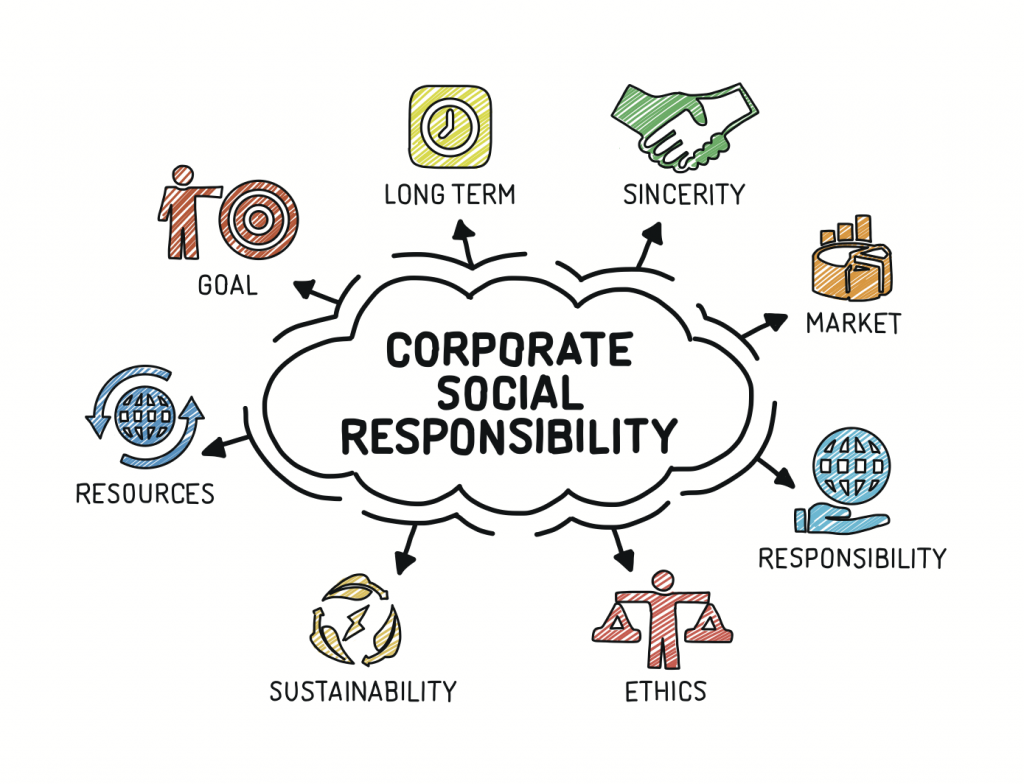
So, what exactly is a CSR business strategy workshop? At its core, it’s a structured session designed to align your company’s purpose, values, and business goals with its social and environmental initiatives. It’s a collaborative, hands-on process that gets key stakeholders – from leadership to front-line employees – in a room to ask the big questions.
The goal isn’t just to talk about doing good; it’s to build a concrete, measurable plan. Instead of simply donating to a charity your CEO likes, the workshop helps you identify a cause that is a natural fit for your business, your expertise, and your brand. For example, a tech company might focus its CSR on digital literacy for underserved communities, leveraging its core competency to create a truly meaningful impact. A logistics company might focus on sustainable supply chains and reducing its carbon footprint, a project that also has significant operational benefits.
The shift from “random acts of kindness” to strategic impact is crucial for several reasons. Firstly, it makes your CSR more authentic and credible. Customers and employees can see that your commitment is genuine because it’s tied to who you are as a company. Secondly, it increases the effectiveness of your efforts. By focusing your resources and expertise, you can achieve a much greater impact on the issues you care about. Finally, it creates a positive feedback loop. When your CSR is aligned with your business, it can drive innovation, attract top talent, and even open up new markets.
A successful workshop isn’t just a free-for-all brainstorming session. It’s a carefully structured event with a clear agenda and a skilled facilitator. While every workshop is unique, here are the key stages you can expect:
1. The “Why” – Re-evaluating Your Purpose:
The workshop begins by getting back to basics. The facilitator will guide the group in a discussion about the company’s core values and mission. Why does your company exist? What problems do you solve for your customers? The answers to these questions are the foundation upon which a truly authentic CSR strategy is built. This is where you connect your profit motive with your purpose motive, demonstrating that the two can be complementary, not contradictory.
2. The “What” – Identifying Your Social and Environmental Priorities:
Once the purpose is clear, the focus shifts to identifying the specific social and environmental issues where the company can have the greatest impact. This isn’t about picking a trendy cause. It’s about a careful analysis of your business’s ecosystem. What issues are most relevant to your industry? Where do your operations create the biggest impact (positive or negative)? This stage often involves a “stakeholder mapping” exercise, where the team considers the needs and concerns of customers, employees, suppliers, and the local community.
3. The “How” – Brainstorming and Ideation:
This is the creative heart of the workshop. With a clear understanding of the “why” and the “what,” the group can now brainstorm concrete initiatives. This is where the magic happens – where a senior marketing manager might suggest a partnership with a non-profit she’s passionate about, or a logistics expert might propose a new way to reduce waste in the supply chain. The key here is to encourage wild ideas and innovative thinking, without judgment. The facilitator’s role is to ensure all voices are heard and to guide the conversation towards actionable solutions.
4. The “Plan” – Building the Roadmap:
The brainstorming session leads to the most critical stage: building a concrete action plan. This is where the ideas are filtered and prioritized. The team will define specific goals, key performance indicators (KPIs), and assign responsibilities. What resources will be needed? What’s the timeline? How will we measure success? A well-crafted plan includes both short-term, achievable wins and long-term, ambitious goals. It’s a living document that will guide the company’s CSR efforts for the months and years to come.
5. The “Communication” – Sharing Your Story:
A great CSR strategy is only effective if it’s communicated well. The workshop concludes with a session on how to tell the company’s CSR story authentically and transparently. This isn’t just about a flashy press release. It’s about empowering employees to be ambassadors for the cause, and about sharing the company’s journey – the successes and the challenges – with customers and the wider community.
While a strong CSR strategy can certainly lead to improved financial performance, the benefits of a dedicated workshop go far beyond that.
You might be thinking, “This sounds great, but where do we even begin?” The good news is that a CSR strategy workshop doesn’t have to be a massive, expensive undertaking. You can start small and scale up.
Find a Facilitator: A skilled, neutral facilitator is key to a successful workshop. They can be an internal HR or sustainability expert, or an external consultant specializing in CSR. Their role is to keep the conversation on track, ensure everyone participates, and help the group reach a consensus.
The workshop is the starting line, not the finish line. A great CSR strategy is a living, breathing thing that needs continuous attention and evaluation. It’s about building a culture of responsibility throughout the entire organization. After the workshop, the real work begins: implementing the plan, measuring progress, celebrating successes, and learning from challenges.
In the end, a business strategy workshop for CSR isn’t just about doing good; it’s about doing good business. It’s about building a more resilient, innovative, and purpose-driven company that is prepared for the challenges and opportunities of the 21st century. It’s about turning your company’s social impact into a powerful competitive advantage that benefits everyone – your business, your employees, your customers, and the world. So, what are you waiting for? It’s time to workshop your way to a better future.


