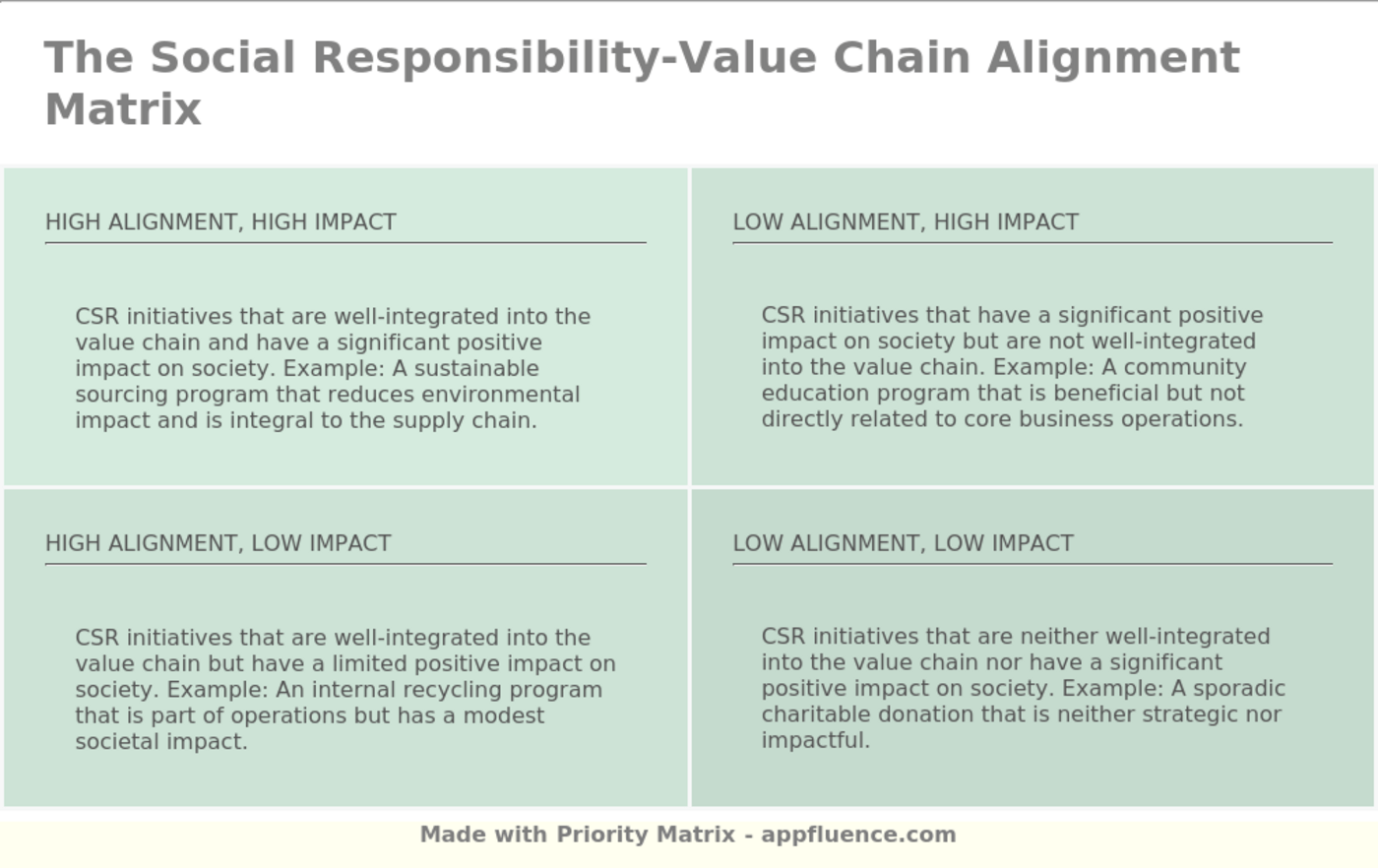
The Heart of Business: Aligning CSR with Customer Values
In today’s market, corporate social responsibility (CSR) is more than just a buzzword; it’s a fundamental part of a company’s identity. But to truly resonate, CSR initiatives need to be more than just a box to tick. They must align with the core values of your customers. This isn’t just about good PR; it’s about building genuine connections, fostering loyalty, and ultimately, driving business growth. When a company’s actions reflect what its customers believe in, it creates a powerful synergy that can be a major differentiator in a crowded marketplace.
Why Your Customers Care: The Shift in Consumer Mindset
The modern consumer is different. They’re informed, discerning, and they want to do business with companies that share their worldview. It’s not enough to offer a great product or service at a competitive price. People are now asking:

This isn’t a niche trend; it’s a mainstream shift. Studies have consistently shown that consumers, especially younger generations like millennials and Gen Z, are willing to pay a premium for products from socially responsible companies. They see their purchasing power as a vote for the kind of world they want to live in. Therefore, for a company to be successful today, it must understand and respond to this new consumer mindset.
The Problem with Disjointed CSR
Many companies fall into the trap of performing CSR for the sake of it. They might donate to a random charity, sponsor a local event with no real connection to their brand, or launch an initiative that feels inauthentic. The result? Disjointed CSR. This approach often comes across as insincere and can even backfire, leading to cynicism and distrust.
For example, a fast-fashion brand known for its poor labor practices might launch a small “eco-friendly” collection. Customers are smart; they see through this. They understand that a single campaign doesn’t negate a company’s larger ethical footprint. This type of superficial CSR can do more harm than good because it highlights the discrepancy between a company’s stated values and its actual actions. It’s a form of ”greenwashing” or “social-washing,” and today’s consumers are quick to call it out.
Finding Your North Star: Identifying Customer Values
So, how do you align your CSR with what your customers truly care about? The first step is to listen. You need to get inside their heads and understand what matters to them. This isn’t about guessing; it’s about data and dialogue.
1. Social Listening: Monitor social media conversations, forums, and reviews. What topics are your customers passionate about? What social or environmental issues do they talk about in relation to your industry?
By doing this research, you can move from a “shotgun” approach to a targeted, strategic one. You can identify the causes that truly resonate with your audience and focus your efforts there. For a coffee company, this might be supporting fair trade practices for farmers. For a skincare brand, it might be using cruelty-free and natural ingredients. The key is authenticity and a genuine commitment to the cause.
Building Authentic Alignment: From CSR to “CSV”
The ultimate goal isn’t just CSR; it’s Creating Shared Value (CSV). This concept, popularized by Michael Porter, argues that companies can and should create economic value in a way that also creates value for society. It’s about integrating social responsibility directly into your business strategy, not treating it as a separate, optional add-on.
When CSR is aligned with customer values, it becomes a natural extension of your brand. It’s no longer a cost center; it’s a value driver. Consider a company that sells outdoor gear. Aligning with a cause that protects national parks isn’t just good for PR; it’s a direct reflection of their customers’ passion for nature. This creates a powerful emotional connection and reinforces the brand’s identity.
This alignment also has a ripple effect on your employees. When they see the company making a genuine difference in a cause they believe in, it boosts morale, engagement, and retention. They become advocates for your brand, both inside and outside the workplace.
Measuring the Impact: Beyond the Bottom Line
The challenge with CSR is often measuring its return on investment (ROI). It’s not as simple as tracking sales figures. However, the impact is real and can be measured in other ways:
Brand Reputation: Monitor brand sentiment and media coverage. Is your company being talked about in a positive light?
By measuring these metrics, you can show that your CSR efforts are not just a feel-good exercise; they are a strategic investment that pays dividends in brand equity, customer trust, and long-term sustainability.
The Future of Business is Values-Driven
In the end, aligning your CSR with customer values is about building a business that is not only profitable but also purposeful. It’s about recognizing that your customers are not just transactions; they are people with beliefs, passions, and a desire to make a positive impact. When you show them that your company shares those values, you’re not just selling them a product; you’re inviting them to be part of a movement. This kind of authentic, value-driven business is the future, and the companies that embrace it will be the ones that succeed in the long run.


