
How to Nail Stakeholder Engagement in Your CSR Program
Effective stakeholder engagement is crucial for a successful corporate Social Responsibility (CSR) program. Without it, your company’s efforts might miss the mark, fail to address real community needs, and ultimately, not generate the positive impact you’re aiming for. In this article, we’ll break down how to effectively engage with stakeholders, making your CSR initiatives more impactful and meaningful.
—
What Is Stakeholder Engagement and Why Does It Matter?
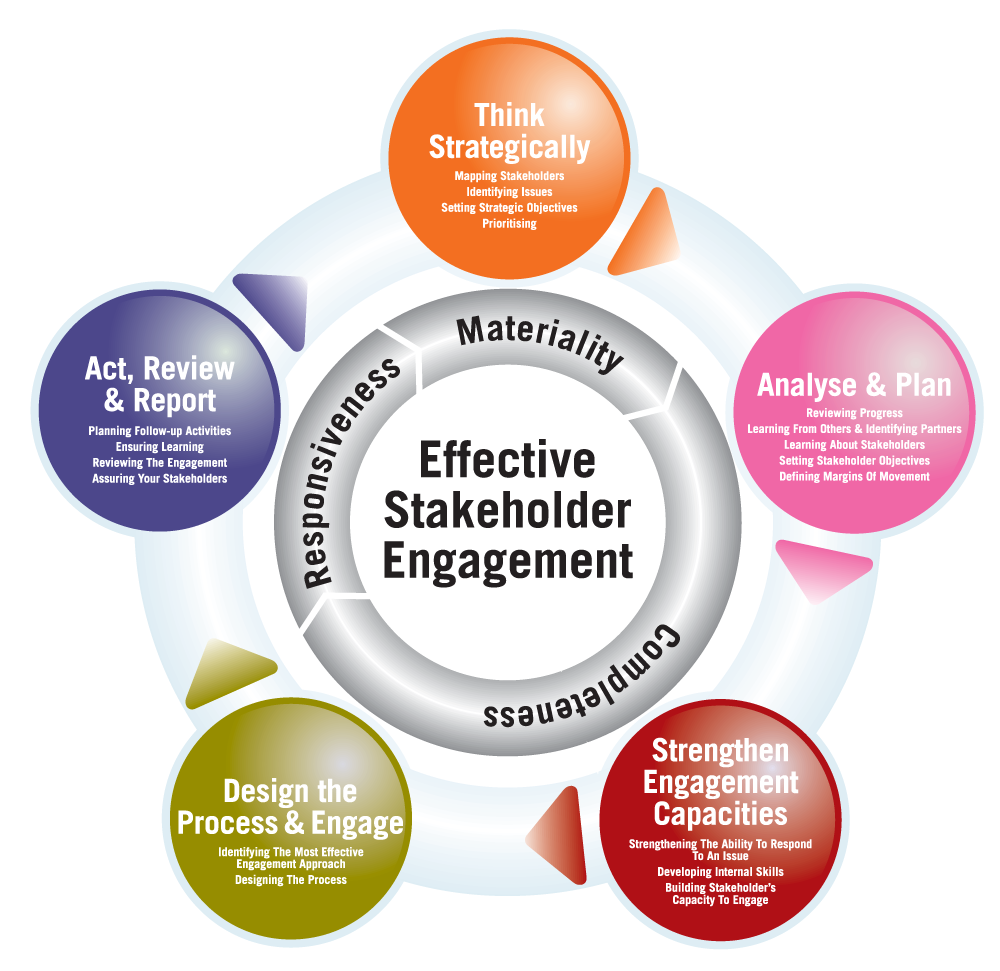
At its core, stakeholder engagement is the process of involving people who are affected by or can influence your business decisions. In the context of CSR, this means actively listening to and collaborating with a wide range of individuals and groups. These can include employees, customers, suppliers, community members, NGOs, government officials, and even competitors.
Engaging with these groups isn’t just a formality; it’s a strategic necessity. It helps you:
Identify real needs: You can’t solve a problem you don’t understand. Stakeholder input ensures your CSR efforts are tackling genuine community issues, not just what you think they are.
In short, stakeholder engagement transforms your CSR program from a one-way street of corporate giving to a collaborative partnership that benefits everyone.
—
The Four Steps to Effective Stakeholder Engagement
Think of stakeholder engagement as a four-step cycle: identification, planning, implementation, and evaluation. Skipping any of these steps can lead to a disconnect between your company and the communities you’re trying to serve.
# 1. Identification: Who Are Your Stakeholders?
The first step is to figure out who your stakeholders are. Go beyond the obvious. Your list should be comprehensive and include both internal and external groups.
Internal stakeholders: These are people within your organization.
Once you have your list, it’s helpful to prioritize them based on their influence and interest in your CSR program. A stakeholder matrix can be a useful tool for this. It helps you visualize who you need to engage with most actively.
# 2. Planning: How Will You Engage?
Once you know who your stakeholders are, the next step is to create a plan for how you’ll engage with them. This isn’t a one-size-fits-all approach. The method you use should be tailored to each group.
For employees: Regular town halls, internal newsletters, dedicated Slack or Teams channels, and employee surveys are great ways to get feedback and generate ideas.
Your plan should also define clear objectives for each engagement activity. Are you trying to gather information, build consensus, or simply inform? Knowing your goal will help you design a more effective engagement process.
# 3. Implementation: Making It Happen
This is where the rubber meets the road. It’s not enough to just have a plan; you need to execute it with genuine intention.
Be transparent and honest: Communicate openly about your goals, challenges, and progress. Don’t promise what you can’t deliver.
Remember, engagement is a continuous process, not a one-time event. Build these interactions into the regular rhythm of your business.
# 4. Evaluation: Did It Work?
After you’ve implemented your engagement plan, it’s time to measure its effectiveness. This step is often overlooked, but it’s essential for continuous improvement.
Collect feedback: Ask stakeholders directly how they felt about the engagement process. Did they feel heard? Was the process effective?
By evaluating your efforts, you can ensure that your stakeholder engagement is not just a box-ticking exercise, but a genuine and valuable part of your CSR strategy.
—
Key Takeaways for Building Strong Relationships
Creating a culture of effective stakeholder engagement isn’t something that happens overnight. It requires commitment, patience, and a genuine desire to work with others.
Start early: Don’t wait until a problem arises. Start engaging with stakeholders from the very beginning of your CSR program.
By making stakeholder engagement a core part of your CSR strategy, you’re not just doing good; you’re building a stronger, more resilient business that is better connected to the communities it serves. This approach not only leads to more successful CSR outcomes but also enhances your company’s reputation and long-term value.


