
Navigating the Storm: How CSR Builds Business Resilience ⛈️
In today’s unpredictable world, businesses face a constant barrage of challenges, from economic downturns to global pandemics. While many companies focus on traditional risk management, an increasingly powerful tool for weathering these storms is corporate Social Responsibility (CSR). Far from being just a feel-good add-on, CSR practices can act as a strategic shield, building a company’s resilience and ensuring its long-term survival. This article explores how a genuine commitment to CSR doesn’t just make a company look good; it makes it strong.
More Than a Buzzword: What CSR Really Means 🤝
CSR isn’t just about donating to charity or planting a few trees. It’s a fundamental business approach that integrates social and environmental concerns into a company’s operations and interactions with its stakeholders. Think of it as a company’s commitment to being a good neighbor and a responsible global citizen. This includes ethical labor practices, environmental stewardship, community engagement, and transparent governance.
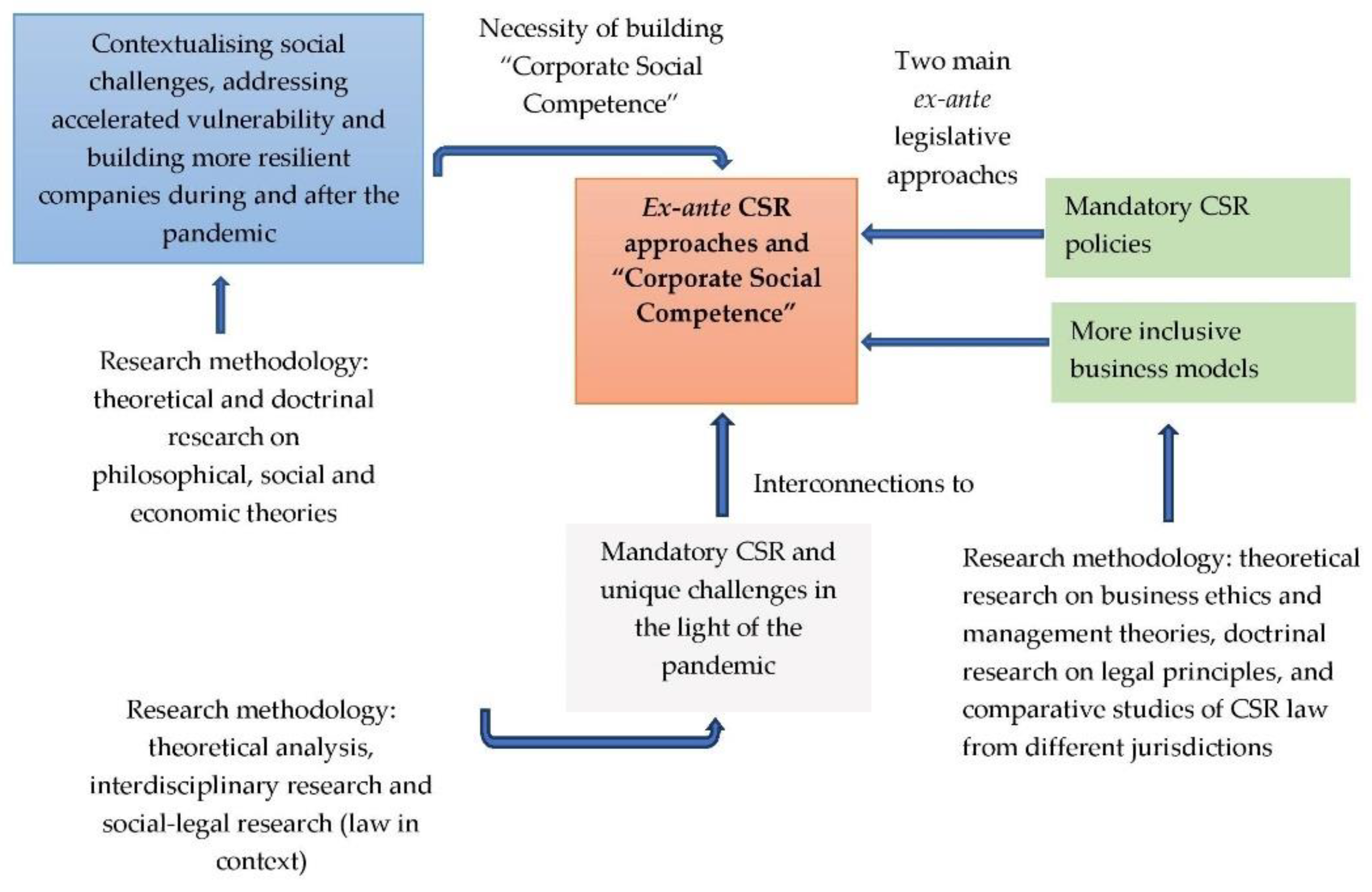
A company with strong CSR isn’t just focused on profit; it’s focused on the triple bottom line: people, planet, and profit. This holistic perspective is crucial because it forces a business to consider a wider range of potential risks and opportunities, many of which are often overlooked in a purely profit-driven model.
The Resilience Advantage: How CSR Strengthens a Business 💪
So, how exactly does CSR translate into business resilience? It works on several key fronts, creating a robust, multi-layered defense against disruption.
# 1. Building a Stronger Brand and Reputation 🌐
In a crisis, a company’s reputation is its most valuable asset. A business with a history of ethical behavior and community support is far more likely to retain customer loyalty and public trust when things get tough. When a company is seen as a force for good, people are more forgiving of mistakes and more willing to stand by the brand. Conversely, a company with a poor reputation for labor practices or environmental damage will find a crisis quickly amplified by public outrage, leading to boycotts and a rapid loss of market share. This reputational capital is a critical buffer during challenging times.
# 2. Attracting and Retaining Top Talent 🎯
The modern workforce, particularly younger generations, places a high value on working for companies that align with their personal values. A strong CSR program is a powerful magnet for top talent, who want to contribute to something bigger than just a bottom line. In a downturn, when companies are forced to downsize, an organization with a strong mission and a positive culture is more likely to retain its best employees. These loyal, motivated employees are the ones who will innovate, problem-solve, and go the extra mile to help the company navigate a crisis.
# 3. Enhancing Supply Chain Stability ⚙️
A business is only as resilient as its supply chain. By integrating CSR into their supply chain management, companies can identify and mitigate risks proactively. This means ensuring that suppliers adhere to ethical labor standards, are environmentally responsible, and have fair trade practices. When a crisis hits, companies with transparent and ethical supply chains are less likely to face disruptions caused by labor disputes, regulatory crackdowns, or sudden reputational damage from a supplier’s missteps. This proactive approach to supply chain due diligence creates a more stable and predictable operational foundation.
# 4. Fostering Innovation and Adaptability 💡
CSR isn’t just about risk mitigation; it’s also a powerful driver of innovation. When a company is committed to environmental sustainability, it’s more likely to invest in renewable energy, waste reduction, and other green technologies. This foresight can lead to new products, services, and operational efficiencies that give the company a competitive edge. During a crisis, this innovative mindset and ability to adapt become even more critical. Companies that have already invested in sustainable practices are often better positioned to respond to new regulations or shifting consumer demands.
From Theory to Practice: Implementing CSR for Resilience 🛠️
So, how does a company actually build this resilience through CSR? It requires a deliberate, strategic approach, not just a one-off campaign.
# 1. Start with Your Core Values 🧭
CSR should be an authentic extension of a company’s core values. It shouldn’t feel like a separate, tacked-on initiative. A tech company, for example, might focus its CSR efforts on digital literacy and bridging the digital divide, while a retail company might focus on ethical sourcing and fair labor practices. The more aligned CSR is with the company’s mission, the more authentic and impactful it will be.
# 2. Engage All Stakeholders 🗣️
Effective CSR is a collaborative effort. It’s not just a top-down mandate. Companies should actively engage with employees, customers, suppliers, and the local community to understand their needs and concerns. This collaborative approach ensures that CSR initiatives are relevant and impactful. It also builds a network of support that can be invaluable during a crisis.
# 3. Measure and Communicate Your Impact 📊
To be truly effective, CSR needs to be measurable. Companies should track key performance indicators (KPIs) related to their social and environmental goals, such as carbon footprint reduction, employee volunteer hours, or fair wage compliance. Transparently communicating this progress to the public builds trust and demonstrates a genuine commitment. During a crisis, a track record of transparency and accountability can be a powerful asset.
# 4. Embed CSR in the Business Strategy ♟️
The most successful companies don’t treat CSR as a separate department. They integrate it into every aspect of their business strategy, from product development to marketing to investor relations. When CSR is a core part of the business, it becomes a natural part of decision-making, ensuring that the company’s long-term interests and its social and environmental responsibilities are always considered together.
The Bottom Line: Resilience is the New Profitability 📈
In a world defined by constant change and disruption, business resilience has become the ultimate competitive advantage. Companies that embrace CSR as a strategic imperative are not just doing good; they are building a more robust, adaptable, and sustainable business. By fostering a strong reputation, attracting top talent, stabilizing supply chains, and driving innovation, CSR practices create a powerful, multi-faceted shield against future crises.
The future of business isn’t just about how much profit a company can generate; it’s about how well it can weather the storms and emerge stronger on the other side. CSR is no longer a luxury; it’s a necessity for any business that wants to survive and thrive in the 21st century. By building a business that benefits society, companies are also building a business that can withstand anything. This is the new definition of success, and it’s a journey well worth taking.


