
How corporate Social Responsibility Fuels Business Innovation
Corporate Social Responsibility (CSR) and business innovation may seem like separate concepts, but they’re deeply interconnected. While CSR is often seen as a way for companies to give back, it can also be a powerful engine for innovation. By focusing on social and environmental issues, businesses are pushed to think creatively, leading to new products, services, and even business models that not only help society but also give them a competitive edge. This isn’t just about being a good corporate citizen; it’s about smart business strategy. When a company tackles a social problem through a new product or a more efficient process, it’s innovating. And in today’s world, where consumers and investors are increasingly prioritizing sustainability and ethical practices, this link between CSR and innovation is more important than ever.
The Evolution of CSR: From Philanthropy to Strategy
CSR has come a long way from simply writing a check to a charity. In its early days, CSR was largely a philanthropic endeavor—a way for successful companies to share their wealth with the community. This often involved one-off donations or employee volunteer days, which were good for public relations but rarely integrated into the core business strategy.
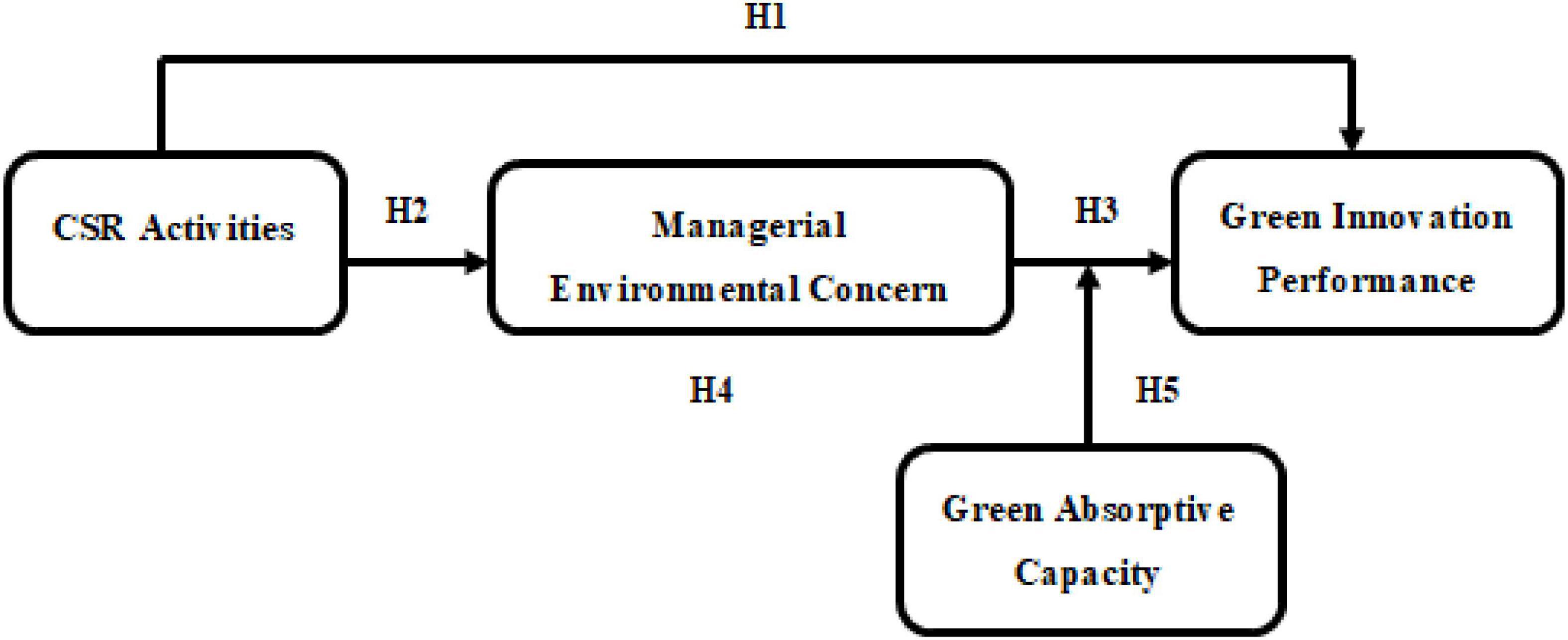
Over time, this view shifted. Companies began to realize that their social and environmental impact was directly linked to their brand reputation and long-term viability. They started to see CSR not just as an obligation but as a risk management tool. Avoiding environmental fines or labor disputes, for example, became a key part of the CSR agenda. This was a step up from pure philanthropy, but it still often felt like a defensive strategy.
The modern view of CSR is far more proactive and strategic. Today, leading companies are embedding social and environmental considerations into every part of their operations, from supply chain management to product design. They’re asking not just “how can we do less harm?” but “how can we create more good?” This mindset shift is what truly links CSR to innovation. By seeing social and environmental challenges as opportunities rather than burdens, companies can unlock new possibilities for growth and value creation.
How CSR Inspires Innovative Thinking
The connection between CSR and innovation isn’t just a happy accident. It’s a direct result of the unique challenges and constraints that social and environmental issues present. When a company commits to a CSR goal, it’s often forced to rethink its traditional ways of doing things. This process of re-evaluation and problem-solving is the very essence of innovation.
One of the most powerful ways CSR drives innovation is by creating new design constraints. Imagine a company that wants to reduce its carbon footprint. This isn’t a simple goal. It forces the company to reconsider everything from the materials it uses to its manufacturing process and even its logistics. This new constraint can lead to a breakthrough—perhaps a new, more sustainable material is developed, or a more energy-efficient production method is found. This isn’t just a “nicer” way of doing business; it’s a completely new, more efficient way.
Another key driver is opening up new markets. When a company addresses a social problem, it often finds a new group of customers who were previously underserved. A company that develops an affordable, clean-burning cookstove for communities in developing countries, for example, isn’t just being socially responsible; it’s entering a new market with a new product. This type of “inclusive innovation” or “frugal innovation” is all about creating high-value solutions for low-income markets, and it’s a powerful growth strategy.
Finally, CSR can foster employee engagement and creativity. When employees feel like their work is part of a larger, positive mission, they’re often more motivated and more willing to contribute new ideas. A sense of purpose can be a powerful motivator for innovation. Companies that have strong CSR programs often have more engaged employees who are more likely to think outside the box and come up with creative solutions to problems.
Real-World Examples of CSR-Driven Innovation
The link between CSR and innovation isn’t just theoretical. Many companies have used social and environmental challenges as a springboard for creating groundbreaking products and processes.
Another powerful example is Unilever’s Sustainable Living Plan. This plan set ambitious goals to improve health and hygiene, reduce environmental impact, and enhance livelihoods. This wasn’t just a PR stunt; it drove innovation across the company. For example, Unilever developed new, concentrated laundry detergents that reduced the amount of water and packaging needed, a direct response to their environmental goals. This innovation not only helped the environment but also saved the company money and appealed to eco-conscious consumers.
The Benefits of CSR-Driven Innovation
The benefits of linking CSR and innovation are far-reaching, extending beyond just a positive public image. For one, it can lead to increased profitability. While it may seem counterintuitive that a focus on social and environmental issues could boost the bottom line, it’s often the case. New, more efficient processes, reduced waste, and the ability to command a price premium for sustainable products can all lead to higher profits.
It also leads to enhanced brand reputation and customer loyalty. Today’s consumers are savvy and discerning. They want to support companies that align with their values. When a company is genuinely committed to making a positive impact, it builds a level of trust that can’t be bought with advertising. This trust translates into repeat business and powerful word-of-mouth marketing.
Furthermore, it can be a significant source of talent attraction and retention. The best and brightest employees, especially younger generations, want to work for companies that have a purpose beyond just making money. A strong CSR program can be a powerful recruiting tool, helping a company attract top talent who are motivated by more than just a paycheck. This, in turn, can lead to a more innovative and productive workforce.
Finally, integrating CSR and innovation can provide a company with a long-term competitive advantage. In a world of increasing regulation and public scrutiny, companies that are already ahead of the curve on social and environmental issues are better positioned for the future. They are more resilient to market shocks and better prepared to adapt to changing consumer demands and regulatory landscapes. By being proactive and innovative in their CSR efforts, these companies are building a foundation for sustainable growth for decades to come.
The Future: CSR as a Core Business Function
The line between CSR and business innovation is blurring, and that’s a good thing. In the future, we can expect to see CSR moving even further away from a standalone department and becoming an integral part of every business function. Innovation won’t be seen as something that happens in addition to being socially responsible, but as a direct result of it.
Companies will need to ask themselves not just “how can we make our product better?” but “how can our product make the world better?” This shift in mindset will be a powerful force for good, driving a wave of innovation that addresses the world’s most pressing challenges, from climate change to social inequality. By harnessing the power of CSR, businesses can do more than just survive; they can thrive by creating a better, more sustainable world for everyone.


