Title: Beyond the Bottom Line: How to Weave corporate Social Responsibility into Your Business Plan
So, you’ve got a brilliant business idea. You’re ready to take the world by storm, and you’ve started putting together your business plan. But as you’re mapping out your financial projections and marketing strategies, a little voice in the back of your head whispers, “What about doing some good?”
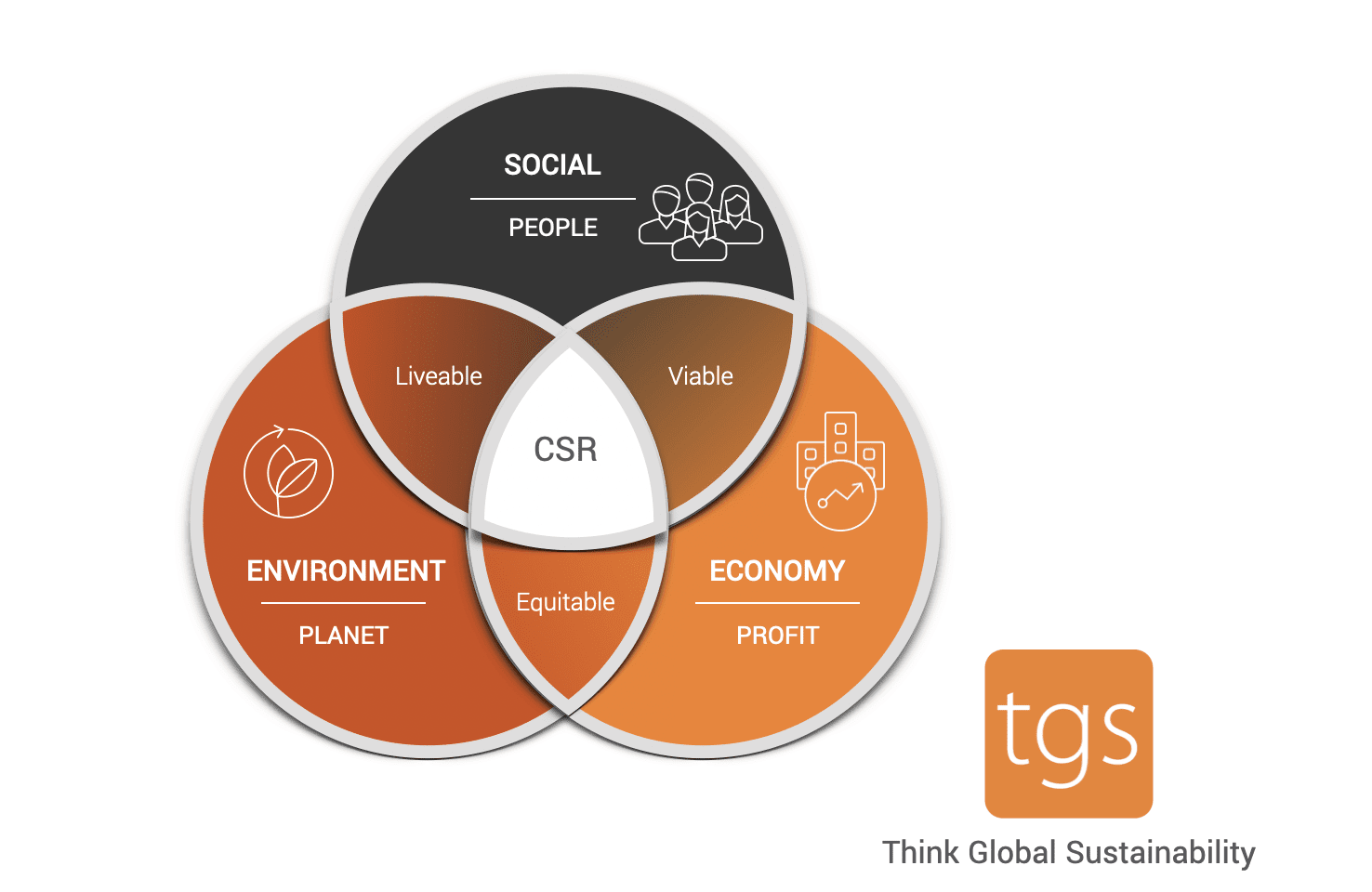
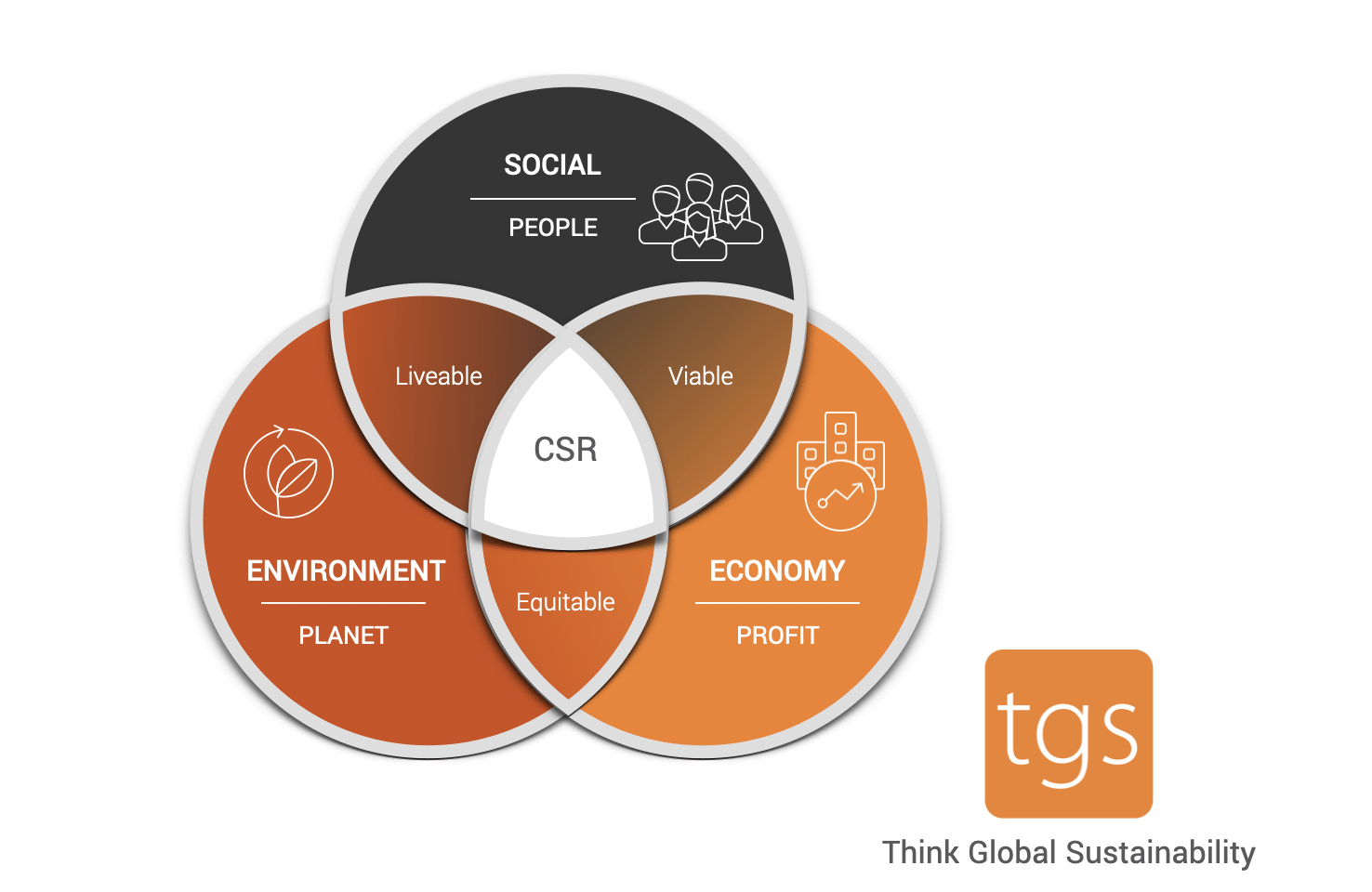
That’s where Corporate Social Responsibility, or CSR, comes in. It’s not just a buzzword for big corporations anymore. It’s a way of doing business that benefits everyone – your company, your customers, your employees, and the community you operate in. And here’s the thing: integrating CSR into your business plan from the get-go isn’t just about feeling good. It’s a powerful tool for building a stronger, more resilient, and more profitable business.
This isn’t about setting aside a tiny portion of your profits to donate to a charity once a year. That’s fine, but it’s not truly transformative. True CSR is about embedding social and environmental consciousness into the very DNA of your company. It’s about making decisions that are not just good for your wallet, but also good for the world. And guess what? Google loves that. Consumers love that. Employees love that.
Corporate social responsibility: a winning strategy for your
So, how do you do it? How do you create a business plan that’s not just a blueprint for making money, but a manifesto for making a difference? Let’s break it down.
Step 1: Define Your “Why” – The Core of Your CSR Mission
Before you can write anything down, you need to understand your motivation. Why do you want to incorporate CSR? Is it because you’re passionate about a specific cause, like environmental sustainability or local community development? Is it because you see a gap in the market for a more ethical product or service? Or is it because you simply believe that businesses have a responsibility to be a force for good?
Your “why” will be the guiding star for all your CSR efforts. It should be authentic and align with your company’s core values. If you’re starting a coffee shop, your “why” might be to source your beans ethically from small farms and pay fair wages. If you’re launching a tech startup, your “why” might be to develop a product that helps non-profits manage their data more efficiently. Whatever it is, be clear about it. This will be the foundation of your CSR statement, which you’ll include right in the executive summary of your business plan.
Step 2: Integrate CSR into Every Section of Your Business Plan
This is where the magic happens. CSR isn’t a separate chapter you tack on at the end. It should be a thread woven throughout the entire document.
Executive Summary: Start strong. In your executive summary, introduce your company’s mission and vision, and immediately follow it up with your CSR commitment. For example, “Our company’s mission is to provide high-quality, sustainable clothing to the modern consumer, while actively supporting fair labor practices and reducing our environmental footprint.” This sets the tone from the very beginning.
Company Description: When you describe your company, go beyond the basics of legal structure and location. Talk about your company culture and values. Are you committed to diversity and inclusion? Do you have a policy of paying above minimum wage? Do you have flexible working arrangements to support your employees’ well-being? This is where you lay the groundwork for your internal CSR.
Products & Services: This is a huge opportunity. How are your products or services inherently good? Are they made from recycled materials? Do they help solve a social problem? Do they have a smaller environmental impact than your competitors’ offerings? For example, if you’re a food company, you might talk about your commitment to using organic, locally sourced ingredients and minimizing food waste. If you’re a software company, you might mention that your platform helps small businesses reduce their carbon footprint by optimizing their delivery routes.
Marketing & Sales Strategy: Your CSR story is a powerful marketing tool. Explain how you’ll communicate your social and environmental commitments to your customers. Will you use your packaging to tell the story of your ethical sourcing? Will you highlight your community partnerships on your website and social media? Will you partner with like-minded influencers? Remember, modern consumers are looking for brands they can trust. Your CSR efforts build that trust.
Management Team: Introduce your team not just by their professional experience, but by their shared values. Highlight any experience they have in non-profit work, community service, or environmental advocacy. This shows that your commitment to CSR is not just a top-down mandate, but a shared passion among your leadership.
Operations Plan: This is where you get into the nitty-gritty. How will your daily operations reflect your CSR goals? Will you use renewable energy in your office or factory? Will you have a robust recycling program? Will you partner with local, minority-owned suppliers? Will you offer paid volunteer time to your employees? Be specific. This section shows that your commitment is more than just talk; it’s a part of how you run your business.
Financial Projections: This might seem counterintuitive, but your CSR efforts can actually be a part of your financial model. For example, if you’re investing in more energy-efficient equipment, you can project the long-term savings on your utility bills. If you’re offering better employee benefits, you can project the resulting reduction in employee turnover and the associated costs of hiring and training new staff. You can also include any revenue projections from a “cause marketing” campaign or a product line that specifically benefits a charity. Show that doing good can also be good for your bottom line.
Step 3: Set Measurable CSR Goals and Key Performance Indicators (KPIs)
A CSR plan without measurable goals is just a wish list. You need to be able to track your progress and hold yourself accountable. Just like you have KPIs for sales and revenue, you should have KPIs for your social and environmental impact.
Environmental Goals: If you’re focused on sustainability, your KPIs could include things like:
Percentage reduction in waste sent to landfills.
Percentage of electricity sourced from renewable energy.
Total carbon emissions reduced.
Amount of recycled material used in your products.
Social Goals: If you’re focused on community and employees, your KPIs could include:
Number of volunteer hours completed by employees.
Amount of money donated to local charities.
Percentage of employees from underrepresented groups.
Employee satisfaction scores.
Percentage of suppliers who are small, local, or minority-owned businesses.
Step 4: Think Long-Term and Be Transparent
Your business plan is a living document, and so is your CSR journey. Your initial goals are a starting point. As your business grows, so too can your capacity for social and environmental impact.
Be transparent about your efforts. Don’t engage in “greenwashing” – making unsubstantiated claims about your company’s positive impact. Be honest about where you are, where you want to go, and the challenges you face. This transparency builds trust with your customers and stakeholders. You can even include a section in your business plan about how you’ll report on your CSR progress, perhaps in an annual “impact report.”
The SEO Power of CSR
Now, let’s talk about the search engine part of this. Why does all of this matter for ranking on Google? It’s simple: Google’s algorithms are getting smarter. They’re not just looking for keywords and backlinks anymore. They’re looking for E-A-T: Expertise, Authoritativeness, and Trustworthiness.
Trustworthiness: A company that is transparent about its CSR efforts, that’s committed to ethical practices, and that genuinely tries to make a positive impact is inherently more trustworthy. This builds brand equity and creates a loyal customer base that will talk about your brand, link to your website, and generate positive sentiment online.
Authoritativeness: When you consistently create content around your CSR initiatives – blog posts about your sustainable sourcing, videos about your community partnerships, or press releases about your latest social project – you establish yourself as an authority in that space. This not only attracts customers who care about these issues but also positions you as a thought leader in your industry.
Quality Content and Backlinks: Your CSR story is a goldmine for creating compelling, shareable content. Non-profits, news outlets, and industry blogs are all more likely to write about and link to a company that’s doing good. These high-quality backlinks are a massive driver of SEO success. A story about your company partnering with a local school to mentor students is far more likely to get picked up and linked to than a generic press release about a new product.
In conclusion, a business plan that incorporates CSR goals isn’t just a feel-good exercise. It’s a strategic move that builds a more robust, ethical, and ultimately more successful business. It’s a way to attract and retain the best talent, build a loyal customer base, and create a brand that people are proud to support. And in the world of search engines, where trust and authority are the ultimate currency, weaving your commitment to making a positive impact into the very fabric of your business is one of the most powerful things you can do to stand out and rank at the top. So go ahead, write that plan. But don’t just plan to succeed. Plan to make a difference.