A Comprehensive Guide to CSR Models for Family Businesses
Family businesses are the backbone of many economies, and their longevity is a testament to their unique blend of tradition, values, and an unwavering commitment to the communities they serve. Unlike their corporate counterparts, family businesses are often deeply intertwined with their local surroundings, and their decisions carry a weight that extends beyond the bottom line. This inherent connection makes them uniquely positioned to embrace Corporate Social Responsibility (CSR), not as a trend, but as an authentic expression of their identity.
The term “CSR” might conjure images of massive corporations donating millions to charities, but for family businesses, it’s a more personal and integrated concept. It’s about how they operate, the values they uphold, and the legacy they want to leave behind. In this comprehensive guide, we’ll explore various CSR models specifically tailored for family businesses, demonstrating how they can leverage their unique strengths to create a lasting positive impact and, as a welcome side effect, improve their standing in the Google search engine.
Understanding the “Why” of CSR for Family Businesses
Corporate Social Responsibility and Family Business in the Time of
Before we delve into the “how,” let’s explore the compelling reasons why family businesses should prioritize CSR.
Legacy and Reputation: For family businesses, the name on the door is more than just a brand; it’s a family name. A strong commitment to CSR builds a positive legacy and enhances the family’s reputation within the community, which can be passed down through generations.
Employee Morale and Retention: Employees often feel a stronger sense of loyalty and pride working for a company that genuinely cares about its community. This can lead to increased employee morale, higher productivity, and reduced turnover—a significant advantage in a competitive job market.
Customer Loyalty: Modern consumers, particularly younger generations, are increasingly making purchasing decisions based on a company’s social and environmental values. A strong CSR program can foster deep customer loyalty and create a dedicated following.
Risk Management: Proactive CSR can help family businesses navigate potential risks. For example, by adhering to ethical labor practices and environmental standards, they can avoid costly legal issues and reputational damage.
Innovation and Growth: CSR can be a catalyst for innovation. By seeking sustainable solutions, family businesses might discover new products, services, or more efficient processes that lead to long-term growth and profitability.
The Four Pillars of Family Business CSR
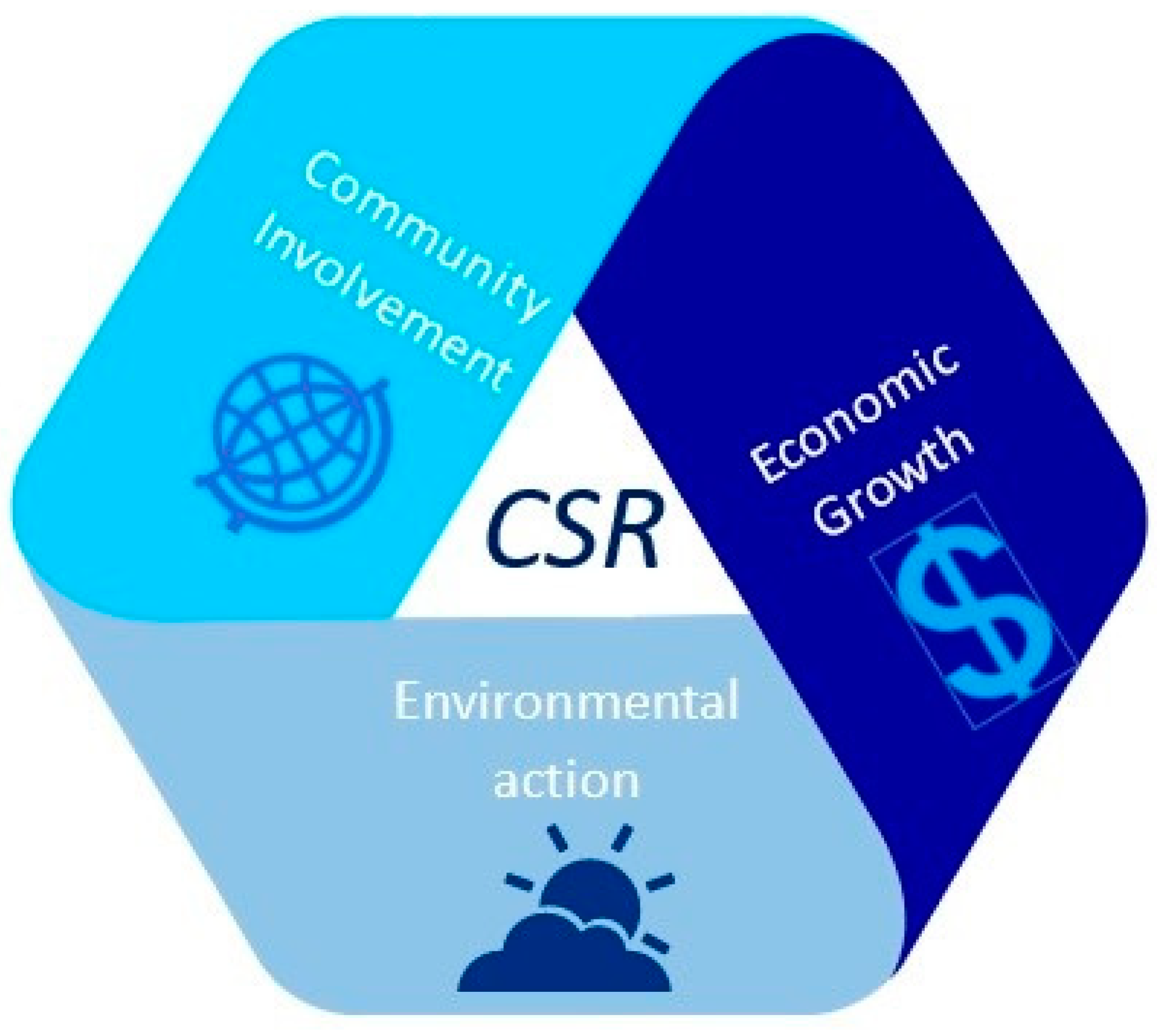
While the specific actions may vary, a robust CSR model for a family business is typically built on four core pillars: Community, Employees, Environment, and Ethics.
1. Community Engagement (The “Heart” of the Business):
This is often the most natural and visible form of CSR for family businesses. They are part of the community, and their success is tied to the community’s well-being.
Local Sourcing: Prioritizing local suppliers for goods and services is a powerful way to keep money circulating within the community and support other small businesses. This strengthens the local economy and reduces the company’s carbon footprint.
Philanthropy: While not the sole focus, financial donations to local charities, schools, and non-profits are a traditional and effective way to give back. The key is to choose causes that resonate with the family’s values and the business’s mission.
Volunteering: Encouraging and supporting employee volunteerism is a fantastic way to build team spirit and make a tangible difference. This could involve company-wide clean-up days, mentoring programs, or skilled volunteering where employees use their professional expertise to help local organizations.
Partnerships: Forming strategic partnerships with local government, schools, or non-profits to address specific community needs can have a lasting impact. For example, a construction company could partner with a technical school to offer apprenticeships, creating a pipeline of skilled workers.
2. Employee Welfare (The “Family” Within the Business):
Family businesses often treat their employees like an extended family. CSR in this area is about formalizing that care and commitment.
Fair Wages and Benefits: Offering competitive wages, health benefits, and retirement plans demonstrates a commitment to employee well-being and financial security. This goes beyond the legal minimum and shows that the company values its people.
Work-Life Balance: Providing flexible work schedules, generous paid time off, and supporting family-friendly policies helps employees balance their professional and personal lives. This is especially important for attracting and retaining talent in a modern workforce.
Training and Development: Investing in employee growth through training, mentorship programs, and tuition reimbursement not only benefits the individual but also strengthens the company’s skill base and prepares it for the future.
Health and Safety: Creating a safe and healthy work environment is a fundamental responsibility. This includes not only physical safety but also promoting mental well-being and a positive company culture where employees feel respected and heard.
3. Environmental Stewardship (The “Home” We Share):
Small and medium-sized businesses might feel their environmental impact is minimal, but collective action makes a huge difference.
Waste Reduction and Recycling: Implementing robust recycling programs and finding ways to reduce waste in operations, from packaging to production processes, is a simple but effective step.
Energy Efficiency: Investing in energy-efficient equipment, lighting, and HVAC systems not only helps the environment but also reduces operational costs in the long run.
Sustainable Sourcing: Choosing suppliers who are committed to sustainable practices and using eco-friendly materials demonstrates a commitment to the planet. For example, a furniture maker could source wood from certified sustainable forests.
Carbon Footprint Reduction: While a small business might not have a massive carbon footprint, every effort counts. This could involve optimizing logistics, encouraging carpooling, or even investing in renewable energy sources for their facilities.
4. Ethical Practices (The “Trust” Foundation):
Ethical behavior is the cornerstone of any successful family business. CSR in this area is about formalizing and transparently communicating these values.
Transparency and Accountability: Being open about business practices, from supply chains to financial reporting, builds trust with customers, employees, and the community.
Supplier Ethics: Ensuring that all suppliers and partners adhere to fair labor practices and ethical standards is crucial. This involves performing due diligence and not turning a blind eye to unethical behavior in the supply chain.
Fair Marketing and Advertising: Avoiding misleading or deceptive marketing practices is a fundamental ethical responsibility. Building trust through honest and transparent communication is key to long-term success.
Data Privacy: Protecting customer and employee data is more important than ever. Implementing strong data security measures and adhering to privacy regulations demonstrates a commitment to ethical conduct.
Creating Your CSR Model: A Step-by-Step Guide
Now that we’ve explored the pillars, let’s look at how a family business can practically build its own CSR model.
Step 1: The Family’s “Why”: The process must start with the family itself. What are their core values? What kind of legacy do they want to create? What are their passions? A CSR model that doesn’t align with the family’s values will feel inauthentic and won’t last.
Step 2: Stakeholder Dialogue: Talk to your key stakeholders. What do your employees, customers, suppliers, and community members care about? Their insights can help you identify the most impactful areas to focus on. A simple survey or a series of informal conversations can yield valuable information.
Step 3: A CSR Audit: Take an honest look at your current business practices. What are you already doing well? Where are the opportunities for improvement? This “audit” will give you a baseline and help you set realistic goals.
Step 4: Crafting a Plan: Based on your values, stakeholder feedback, and audit, create a concrete plan with specific, measurable, achievable, relevant, and time-bound (SMART) goals. For example, instead of “be more green,” a SMART goal would be “reduce energy consumption by 15% within two years by upgrading to LED lighting.”
Step 5: Communication and Transparency: Once you have a plan, communicate it! Share your goals and progress with your employees, customers, and the wider community. This transparency builds trust and accountability. Use your website, social media, and internal newsletters to tell your story.
Step 6: Integrate and Iterate: CSR shouldn’t be a separate, siloed project. It should be integrated into every aspect of the business, from hiring to product development. Regularly review your progress, celebrate successes, and be willing to adjust your plan as you learn and grow.
The SEO Advantage: How CSR Drives Online Visibility
While the primary goal of CSR is to do good, a well-executed and communicated CSR program can significantly boost your online presence and help you rank higher in Google search results. Here’s how:
Original, High-Quality Content: Your CSR initiatives provide a wealth of unique, authentic content. You can write blog posts, articles, and case studies about your volunteering efforts, your sustainable sourcing practices, or the success stories of employees you’ve trained. This type of content is valuable, authoritative, and exactly what Google loves to see.
Increased Link-Building Opportunities: When you’re making a positive impact, others will want to talk about it. Local newspapers, industry publications, and community blogs are more likely to link back to your website when you’re sponsoring a local event, winning an environmental award, or being featured for your ethical practices. These backlinks are a huge factor in search engine ranking.
Improved Brand Mentions and Signals: As people talk about your company’s good deeds on social media, in forums, and on their own blogs, Google takes notice. These brand mentions, even without a direct link, are “social signals” that tell Google your company is reputable and relevant.
Positive Reviews and User-Generated Content: Customers who feel good about a company’s values are more likely to leave positive reviews on platforms like Google Maps, Yelp, and industry-specific sites. These reviews are a powerful ranking factor and help attract new customers.
Targeted Keyword Opportunities: You can optimize your content around keywords related to your CSR efforts, such as “sustainable local business,” “ethical family company,” “community-focused small business,” and more. This helps you capture a niche but growing audience of consumers who are specifically searching for these values.
Conclusion: A Legacy of Responsibility and Success
For family businesses, CSR is not a burden or an afterthought; it’s an opportunity to formalize and celebrate the values that have likely guided them for generations. By building a CSR model based on the pillars of community, employees, environment, and ethics, they can create a lasting positive impact, strengthen their brand, and build a legacy that extends far beyond financial success.
The SEO benefits are a welcome bonus, but the true reward lies in the knowledge that the family business is not just a source of profit, but a force for good in the world. In an age where consumers are more conscious than ever, a family business that wears its heart on its sleeve will not only survive but thrive, building a reputation of trust and responsibility that will be remembered for years to come.