
The Game Plan: A Strategic CSR Framework for Small and Medium Businesses 🚀
Many small and medium-sized enterprises (SMEs) think corporate social responsibility (CSR) is just for big corporations with deep pockets. They see it as a cost center, a box to check, or a PR stunt. But what if CSR could be a powerful engine for growth, a way to build a brand, attract top talent, and boost your bottom line? This article will show you how to move beyond random acts of kindness and create a strategic CSR framework that benefits your business and the community.
1. What’s the Big Deal with Strategic CSR? 🎯
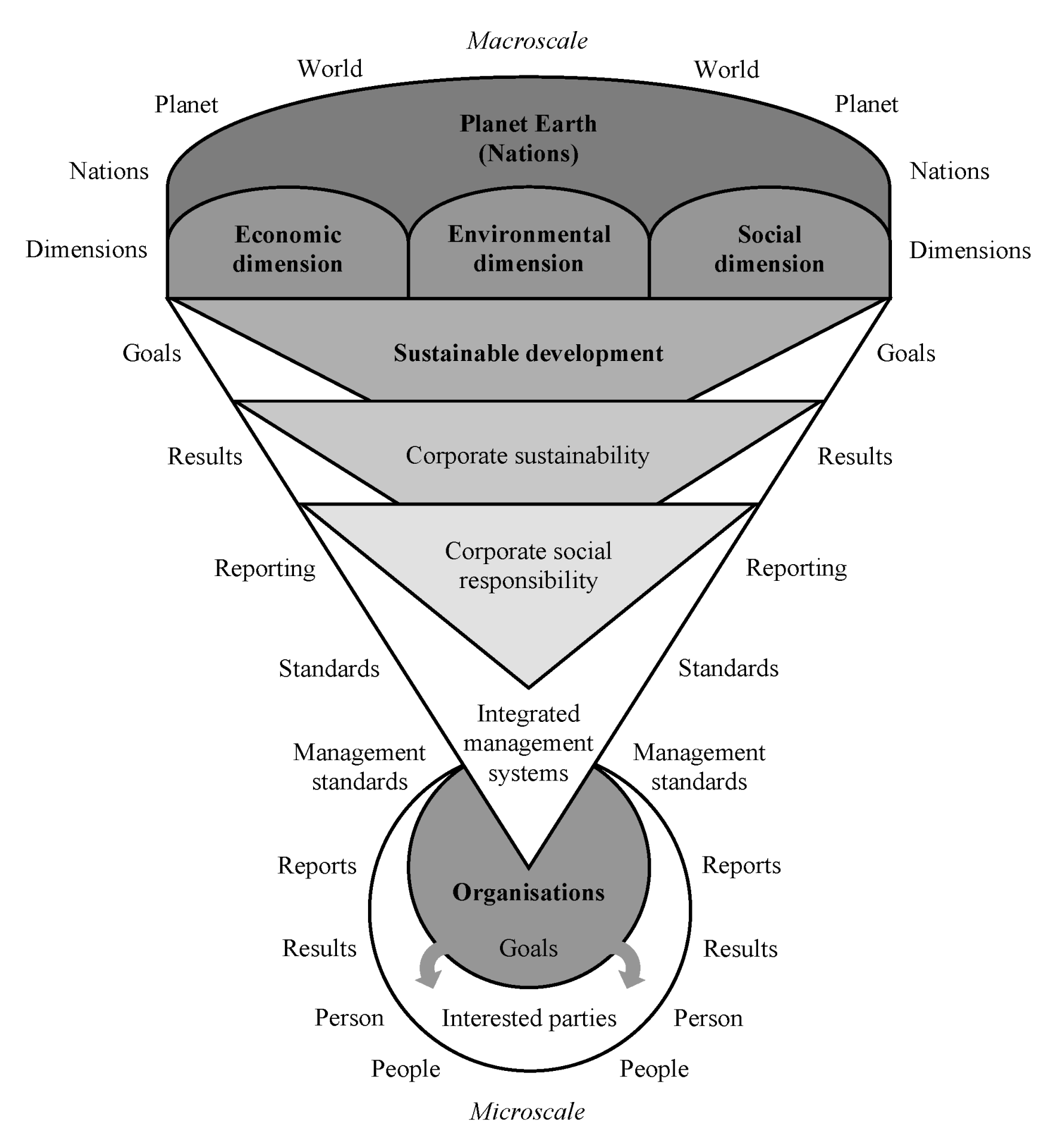
Before we dive into the “how,” let’s clarify what we’re talking about. Traditional CSR often involves ad hoc donations, volunteering, or sponsoring a local sports team. It’s great, but it’s not always tied to the business’s core operations or long-term goals.
2. Step 1: Find Your ‘Why’ – Connecting CSR to Your Core Business 💡
The first step in building a strategic CSR framework is to identify what matters most to your business. This isn’t about picking a trendy cause; it’s about finding a cause that is a natural fit for your company.
Ask yourself these questions:
For example, a local bakery might focus on food waste and hunger, while a small software company might focus on digital literacy for underserved communities. When you connect your CSR to your core business, you’re not just giving money; you’re using your expertise to solve a problem. This makes your efforts more authentic and impactful.
3. Step 2: Involve Your Team – Building a Culture of Purpose 🤝
A CSR strategy created in a vacuum is a recipe for failure. Your employees are your greatest asset, and their involvement is crucial for success.
Brainstorming Sessions: Hold team meetings to discuss potential CSR initiatives. Ask employees what causes they care about.
When employees are involved, they feel a stronger connection to the company. This leads to higher morale, increased engagement, and lower turnover. It’s a powerful way to build a positive company culture.
—
4. Step 3: Set Clear, Measurable Goals – From Intention to Impact 📈
Vague goals like “do some good” aren’t enough. Your strategic CSR framework needs clear, measurable goals just like any other business objective. This is how you prove your efforts are working.
Define Your Metrics: What does success look like? If you’re a cafe focused on reducing waste, your goal might be to “reduce landfill waste by 25% in the next year.”
Remember, what gets measured gets managed. By setting clear goals, you can track your impact, share your successes, and continuously improve your initiatives.
5. Step 4: Communicate Your Story – Authenticity is Key 🗣️
Once you’re making a positive impact, it’s time to share your story. But be careful: this isn’t about bragging. It’s about being transparent and authentic.
Be a Storyteller, Not a Marketer: Share the “why” and the “how.” Talk about the people you’ve helped and the challenges you’ve overcome. Use a conversational, non-corporate tone.
Authentic storytelling builds trust with customers and stakeholders. It shows that your CSR efforts are genuine and not just a marketing ploy.
—
6. Step 5: Start Small, Think Big – Your First Steps 🚶♀️
The beauty of a strategic CSR framework for SMEs is that you don’t need a huge budget. You can start small and scale up over time.
Look Inward First: Is there a way to make your business more environmentally friendly? Can you reduce your energy consumption or waste? These are easy wins that also save you money.
The goal is to start somewhere, learn along the way, and build momentum. Strategic CSR isn’t a one-time project; it’s a journey of continuous improvement.
7. Overcoming Common Challenges for SMEs 💪
Let’s be real, implementing a CSR strategy isn’t always easy, especially for smaller businesses. Here are some common hurdles and how to overcome them:
Lack of Time and Resources: This is the most common challenge. The solution is to integrate CSR into your daily operations. Make it a part of what you already do, rather than an added task. For example, if you have a weekly team meeting, dedicate 5-10 minutes to a CSR update.
Remember, a strategic CSR framework isn’t just about being a good corporate citizen; it’s about building a better, more resilient business.
—
8. The Future is Responsible: Why Strategic CSR is Non-Negotiable 🔮
In today’s world, consumers, employees, and investors are increasingly looking at a company’s social and environmental impact. They want to support businesses that align with their values. For SMEs, this is a golden opportunity. You can be more nimble and authentic than your larger competitors.
By creating a strategic CSR framework, you’re not just keeping up with the times; you’re getting ahead of the curve. You’re building a business that is not only profitable but also purposeful. You’re creating a legacy that goes beyond the balance sheet. So, what are you waiting for? The time to build a better business and a better world is now.


