
Alright, let’s get this drywall repair article sorted for you. Here’s a casual guide you can adapt for your WordPress site:
Fixing Those Annoying Holes in Your Walls
Let’s face it, walls take a beating. Whether it’s a doorknob making friends a little too enthusiastically, a rogue picture hook, or maybe even a kid having an indoor baseball moment (we’ve all been there, right?), drywall damage happens. And those little (or not-so-little) holes and dents? They can be a real eyesore.
But don’t panic! You don’t need to be a DIY guru to fix them. Patching drywall is actually a pretty straightforward job that most folks can handle with a few simple tools and a little patience. So, grab a cuppa, and let’s walk through how to make those wall blemishes disappear.
What You’ll Need to Get Started
Before we dive in, let’s gather our supplies. You probably have some of this stuff lying around already.
For Small Dings and Nail Holes:
Spackle or joint compound (the pre-mixed stuff is super handy for small jobs)

For Larger Holes (Think Fist-Sized or Bigger):
A piece of replacement drywall (you can often get small “patch” pieces)
Let’s Get Patching: Small Holes and Dings
Got a few nail holes or little dents? These are the easiest to fix.
Step 1: Clean Up the Area
First things first, give the damaged spot a quick wipe with a damp cloth to remove any dust or loose bits. This helps the spackle stick better.
Step 2: Apply the Spackle
Take a small amount of spackle on your putty knife. Gently press it into the hole or ding, making sure to fill it completely. You want the spackle to be level with the surrounding wall. Don’t worry if it looks a little messy at this stage.
Step 3: Smooth It Out
Now, use the edge of your putty knife to smooth the spackle. Try to get it as even as possible with the wall surface. You might need to go over it a couple of times.
Step 4: Let It Dry
This is the crucial part – patience! Let the spackle dry completely. The drying time will depend on the size of the hole and the type of spackle you used, so check the instructions on the container. It usually takes a few hours.
Step 5: Sand It Smooth
Once the spackle is dry, it might feel a little rough. Grab your fine-grit sandpaper or sanding sponge and lightly sand the patched area until it’s smooth and flush with the rest of the wall. Be gentle – you don’t want to sand away too much.
Step 6: Wipe Away Dust
Give the area another quick wipe with a damp cloth to remove any sanding dust. Now it’s ready for painting!
Tackling the Big Stuff: Repairing Larger Drywall Holes
Okay, so you’ve got a hole that’s a bit more substantial. No sweat, we can fix that too.
Step 1: Prep the Hole
Use your utility knife to trim away any loose or jagged edges around the hole. This will give you a clean area to work with.
Step 2: Measure and Cut Your Patch
Carefully measure the size and shape of the hole. Then, using your utility knife and a straight edge, cut a piece of replacement drywall that’s slightly smaller than the hole.
Step 3: Install Backing (This is Important!)
For the patch to have something to attach to, you’ll need to install some backing. Cut a couple of furring strips (or your piece of wood) so they’re a few inches longer than the hole. Slide these strips into the hole and position them so they span across the opening. Secure them to the existing drywall with screws, placing the screws so they’ll be covered by your patch. This gives you something solid to screw your new drywall piece into.
Step 4: Attach the Patch
Now, carefully fit your drywall patch into the hole. It should sit flush with the surrounding wall. Use your drill and drywall screws to attach the patch to the backing strips. Put screws around the perimeter of the patch, making sure they’re slightly countersunk (not sticking out).
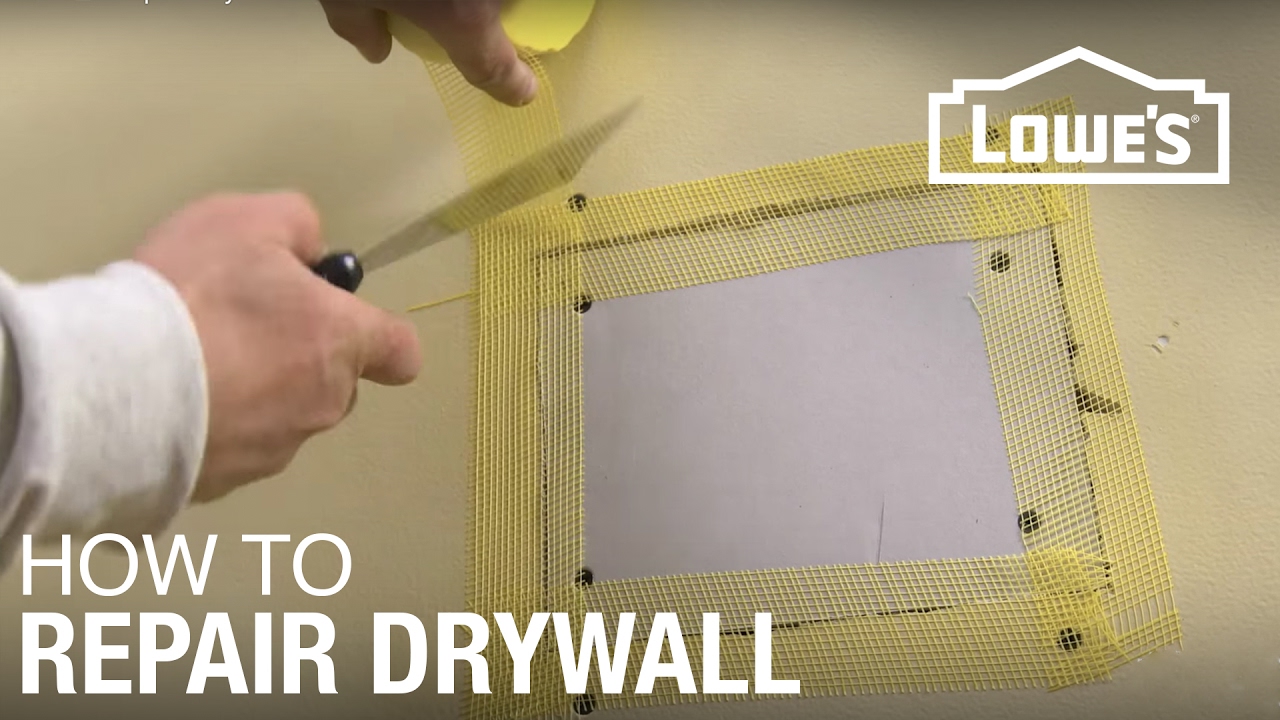
Step 5: Apply Joint Tape
This is where the magic happens to blend the patch with the existing wall. Apply joint tape over all the seams where the patch meets the old drywall. For paper tape, apply a thin layer of joint compound first, then embed the tape, and then apply another thin layer over the tape. For mesh tape, it’s self-adhesive, so just stick it on and then apply joint compound over it. Use your putty knife to smooth the tape and the compound, feathering the edges out so they blend into the wall.
Step 6: Apply More Coats of Joint Compound
You’ll likely need two or three coats of joint compound to get a smooth, seamless finish. Let each coat dry completely before applying the next. With each coat, use a wider putty knife and extend the compound further out from the seam. This “feathering” technique helps to hide the patch.
Step 7: Sand It Smooth (Again!)
Once the final coat of joint compound is completely dry, it’s time to sand again. Use your fine-grit sandpaper or sanding sponge to gently sand the entire patched area until it’s smooth and even with the surrounding wall. Take your time here – a smooth surface now means a flawless paint job later.
Step 8: Clean Up
Wipe away all the sanding dust with a damp cloth. Your wall is now repaired and ready for primer and paint!
Conclusion
See? Fixing drywall isn’t as scary as it might seem. Whether it’s a tiny ding or a more noticeable hole, with a few simple steps and a little effort, you can make those wall imperfections disappear. This not only makes your home look better but also provides a smooth, clean surface ready for a fresh coat of paint, boosting your home’s overall appeal. So, next time you spot a wall mishap, don’t fret – you’ve got this!
Frequently Asked Questions
Can I use toothpaste to fill a small nail hole?
While toothpaste might temporarily fill a tiny nail hole, it’s not a long-term solution. It can shrink, crack, and won’t provide a smooth surface for painting. It’s always best to use proper spackle or joint compound for a lasting repair.
How long does joint compound take to dry?
Drying time for joint compound varies depending on the type, humidity, and thickness of the application. Generally, it can take anywhere from a few hours to 24 hours or more. Always check the manufacturer’s instructions for specific drying times.
Do I need to prime the patched area before painting?
Yes, absolutely! Primer helps to seal the repaired area and creates a uniform surface for the paint to adhere to. Without primer, the patched area might absorb paint differently, leading to an uneven finish.
What’s the difference between spackle and joint compound?
Spackle is generally lighter and easier to sand, making it great for small repairs. Joint compound is typically used for larger areas and taping seams. While you can use joint compound for small holes, spackle often provides a smoother finish with less effort for those minor fixes.
Can I speed up the drying time of joint compound with a hairdryer?
While you might be tempted to speed things up, it’s generally not recommended to use a hairdryer or other direct heat sources on joint compound. This can cause the compound to dry too quickly, leading to cracking and a weaker repair. It’s best to let it air dry naturally.


